These days I feel pulled in both directions: overwhelmed in the bustle, soothed in the quiet. I experience the Indian spirit as constant presence — alive in waves, fishing lines, laughter, elders who feed you without words, crabs vanishing into sand, dolphins leaping like breath made visible. And yet, we have come to a quite touristy place. I notice something shift inside me. Not judgment — not exactly — but a subtle tightening. A question. How much presence can a place hold when it is constantly being looked at? When landscapes become backgrounds and lives become scenery?
The constant pull makes me wonder about tourism in India. I feel it already in Varkala — a touristy place whose main income comes from visitors — yet somehow it still feels grounded in a certain Indian spirit and culture, as if both streams of life flow side by side, peacefully and without erasing each other; I experience the same in the next two places.
Alleppy — or Alappuzha in Malayalam — is a place of gentle rhythms and water whispers. Under Raja Kesavadas in 1762, canals and port infrastructure were laid out to turn this narrow strip of land between the Arabian Sea and Vembanad Lake into a planned trade town. Over time, it earns the nickname “Venice of the East” for its network of waterways and remains a vital centre for coconut products, coir manufacturing and black pepper trade.
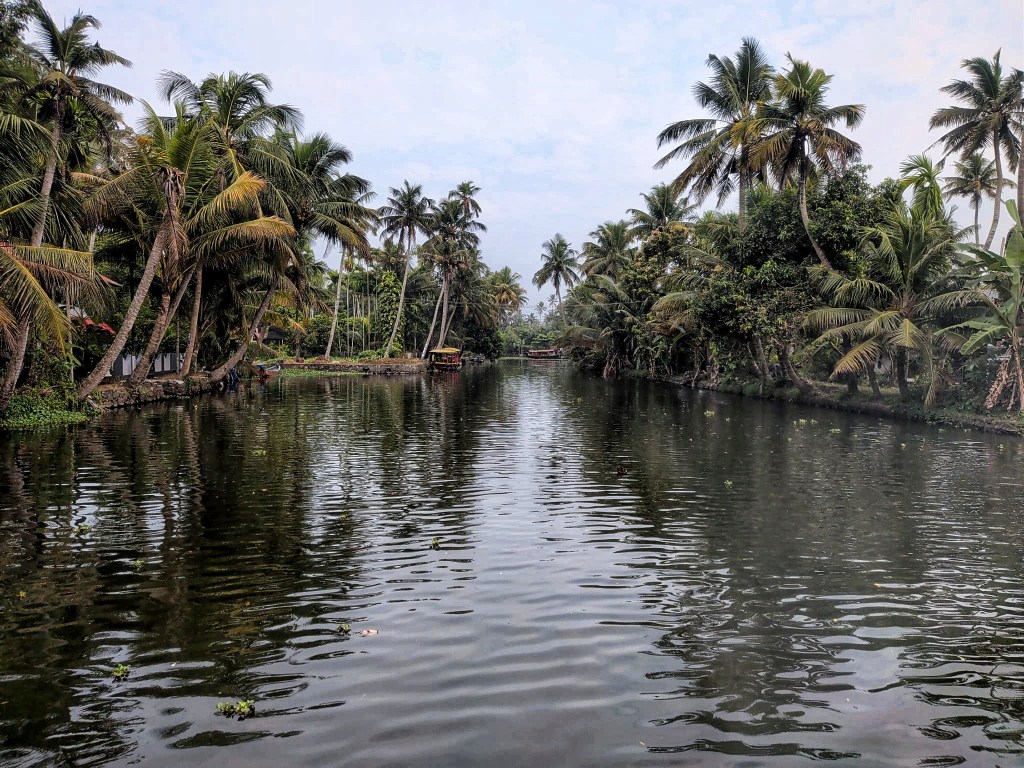
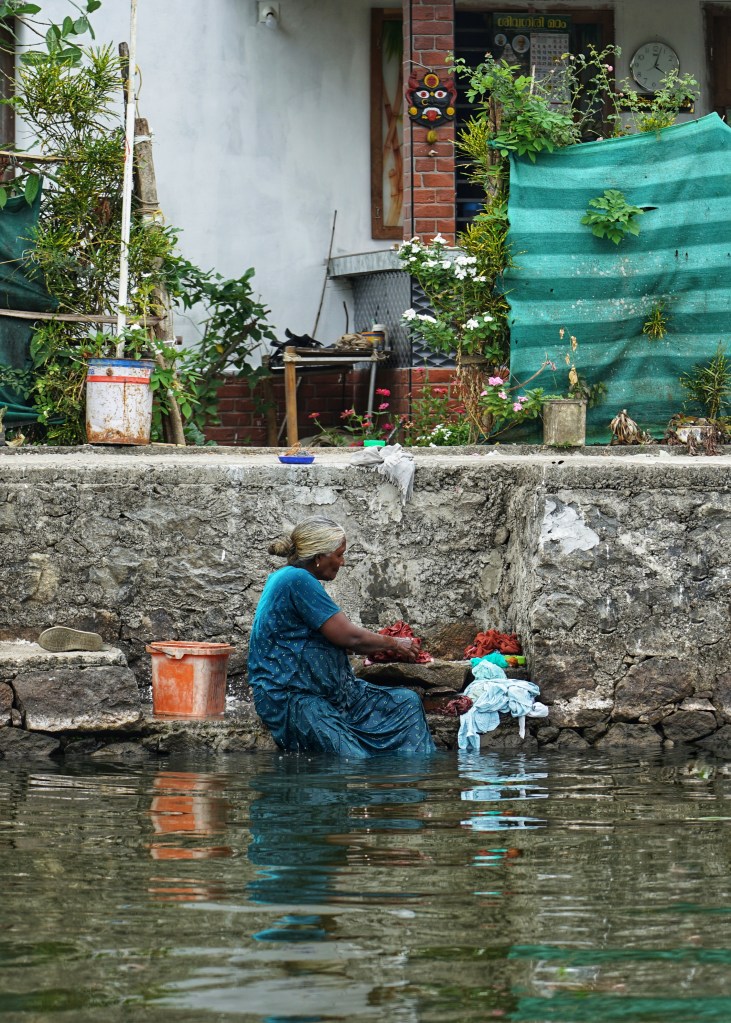
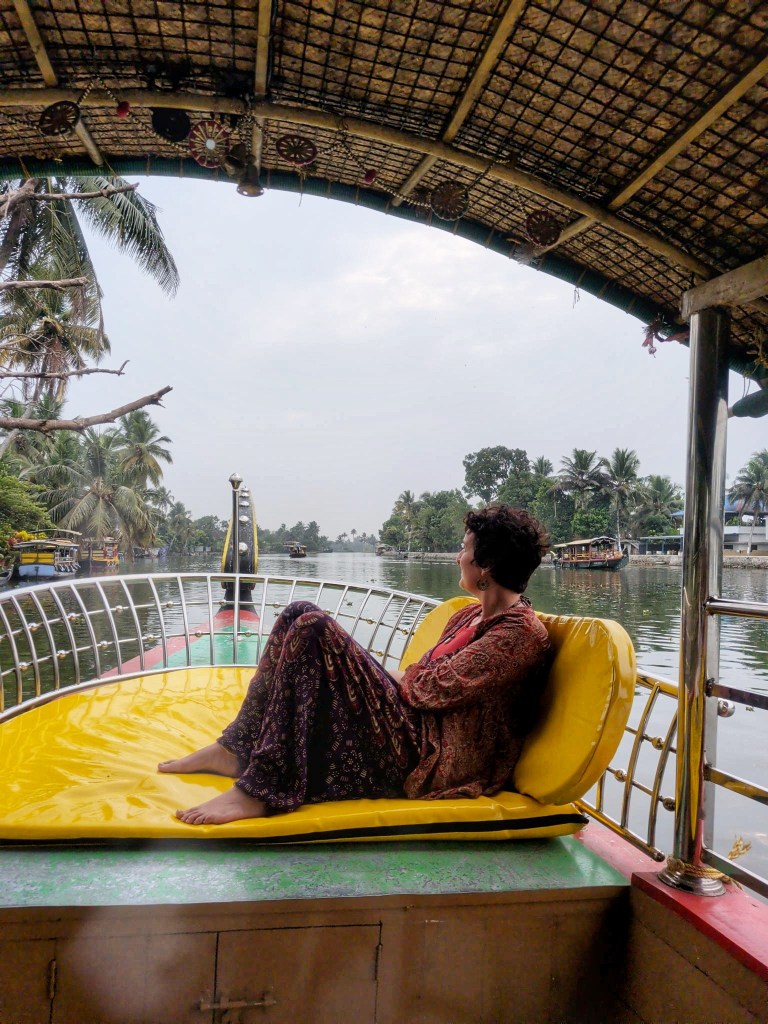
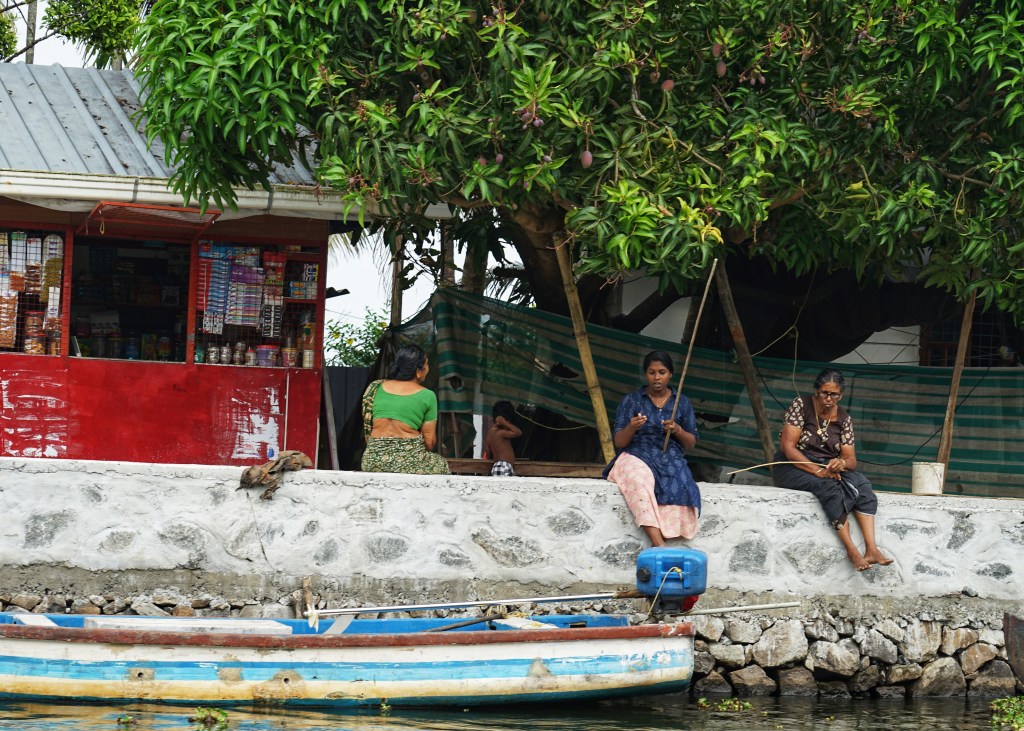
Today, life moves in quiet loops. Local people fish with patience — mostly using just a stick and twine — their eyes on the water, accompanied by cats, watching for a ripple and maybe a catch for themselves. Women wash clothes on stone edges, slapping the fabric into rhythm. Children run barefoot. Laundry dances in the wind. The vibe is peaceful. All the while, tourists drift past in boats. Some smaller, gently passing by. Some bigger — houseboats that stay overnight in the backwaters, anchored near little villages. In the big waterways, this sometimes feels a bit like city traffic; in the smaller channels, it feels balanced. Here, tourism and local life still feel intertwined: two streams feeding understanding rather than erasure.
Our accommodation in Alleppy is a homestay — quite common in India and another example of how tourism and local life are interwoven here. Local hosts open their homes, offering a room and sometimes an adjacent bathroom — a bit like a Western bed and breakfast, though with a particular Indian charm. The shower is cold, the mattress new but spring-featured, and there is always a small trail of ants crossing the breakfast table. None of it matters. The place feels more like home than any five-star luxury apartment ever could. The welcoming hearts around us soften every inconvenience. The mattress issue is solved with two extra thick toppers that turn the bed into a cloud. For water, they offer to bring us buckets of warm water upstairs. Even more: when a power cut leaves the house suddenly dry — common in India — we only notice after returning from the beach. Five minutes later, the grandma knocks with a bucket of water. We didn’t even ask for it; they simply see us coming back. Every day we are blessed by our Indian grandma’s cooking and welcomed by her smile. She doesn’t speak English, yet love and kindness need no words. Her daughter Made helps us with every request that comes up.
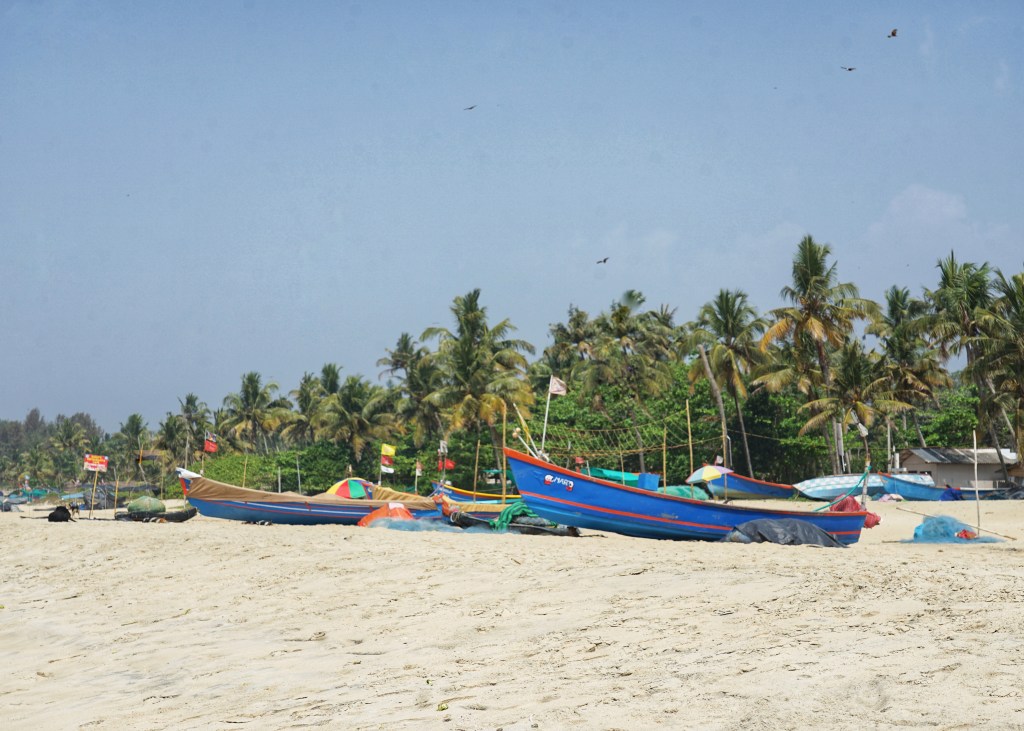
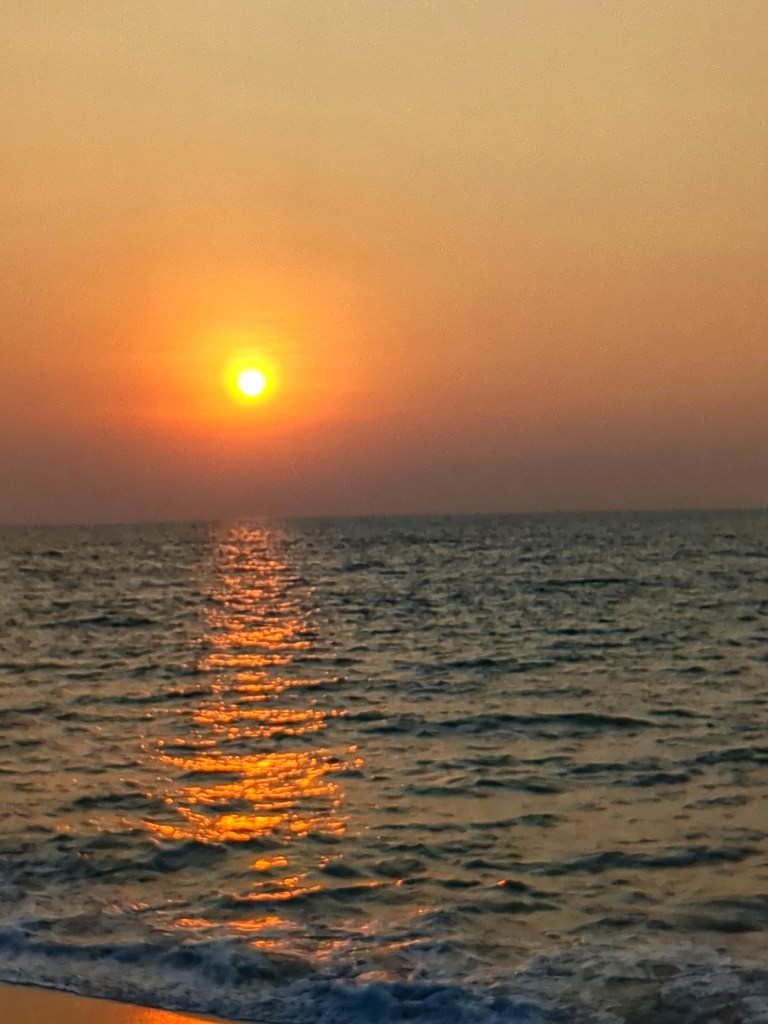
The beach in Alleppy is only a two-minute walk from our lovely homestay, and there is still no sign of mass tourism. No beach bars, no clubs, no vast resorts. Just homes, humble guesthouses and fishing boats resting on the shore. Not a single tourist bathes in the ocean. Sitting in the warm water, I look at the water in awe and bury my hands in the sand – as I lift them, they are full of tiny mole crabs — delicate little creatures living just beneath the surface. Higher up the beach, sand crabs sit beside their sand holes, disappearing in a flash of movement, retreating instantly when a bird or an occasional human passes by. Sea eagles soar above, following the fishermen’s boats. It amazes me to see how local wildlife blossoms where there is no mass tourism.
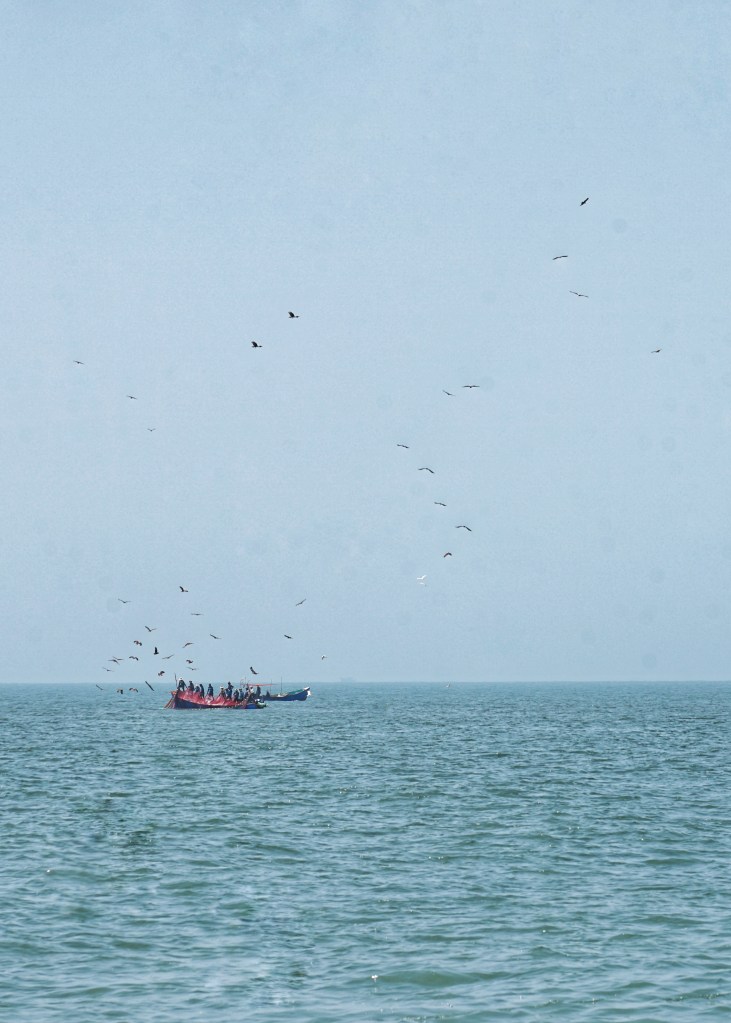
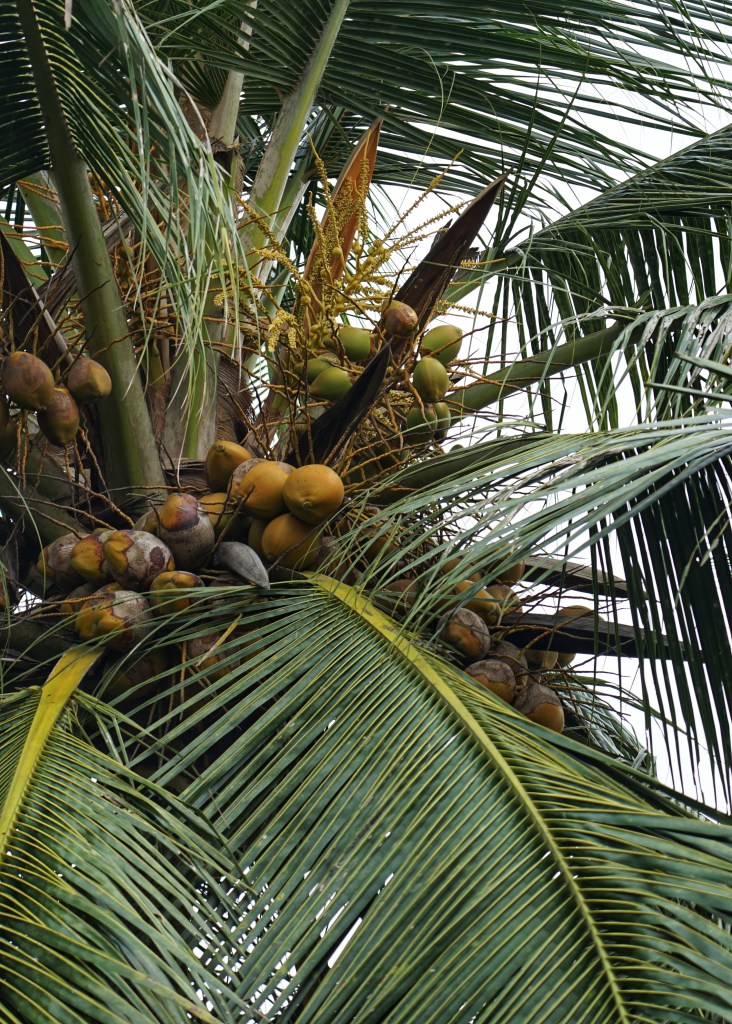

Then comes Kochi — and with it, a stark contrast.
Kochi is a sprawling port city on India’s Malabar Coast, and part of the Ernakulam district. With an estimated population of over 2 million in the larger urban agglomeration, it is the largest and most populous metropolitan area in Kerala and a major commercial and industrial hub. Nicknamed the Queen of the Arabian Sea, history layers itself here for centuries of spice trade linking Romans, Arabs and Chinese and the modern life with its business districts, technology parks and global connectors.
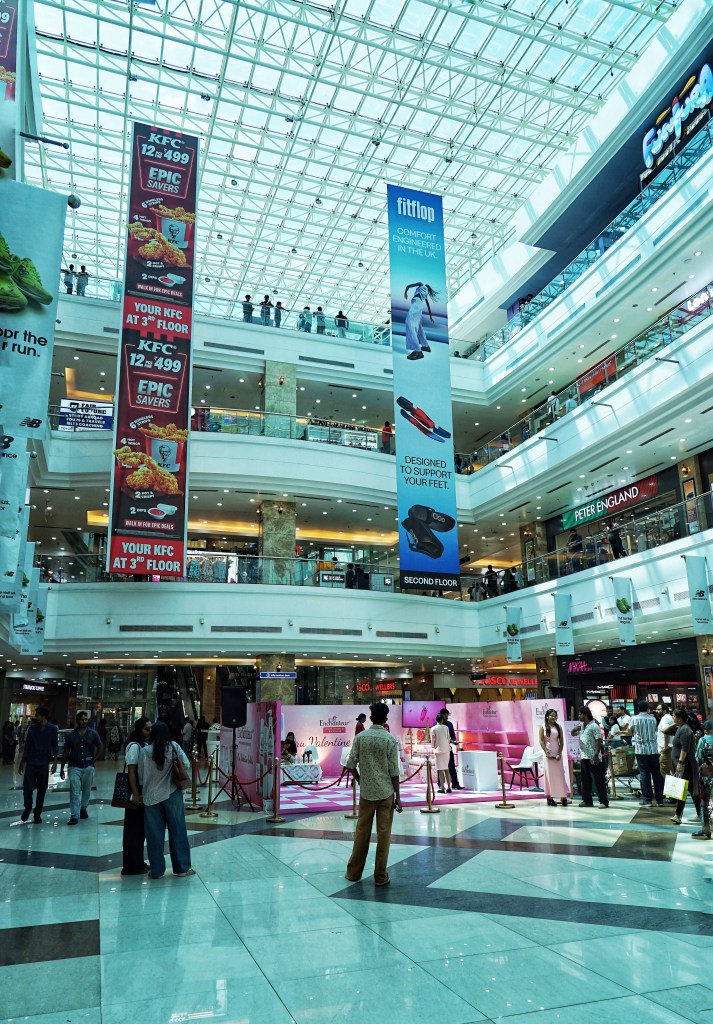
We visit Lulu Mall — India’s biggest shopping mall, opened in March 2013, covering over 185,000 sqm with 300+ stores, a multiplex, family entertainment zones, a hotel and more — drawing over 80,000 visitors daily on average, with millions passing through its doors in its first decade of operation. It overwhelms me completely. Surrounded by gleaming escalators and air-conditioned corridors lined with global brands, I feel — for the first time in India — uncomfortable. We are no longer in reflection; we are in spectacle. This space is about consumption, not connection.
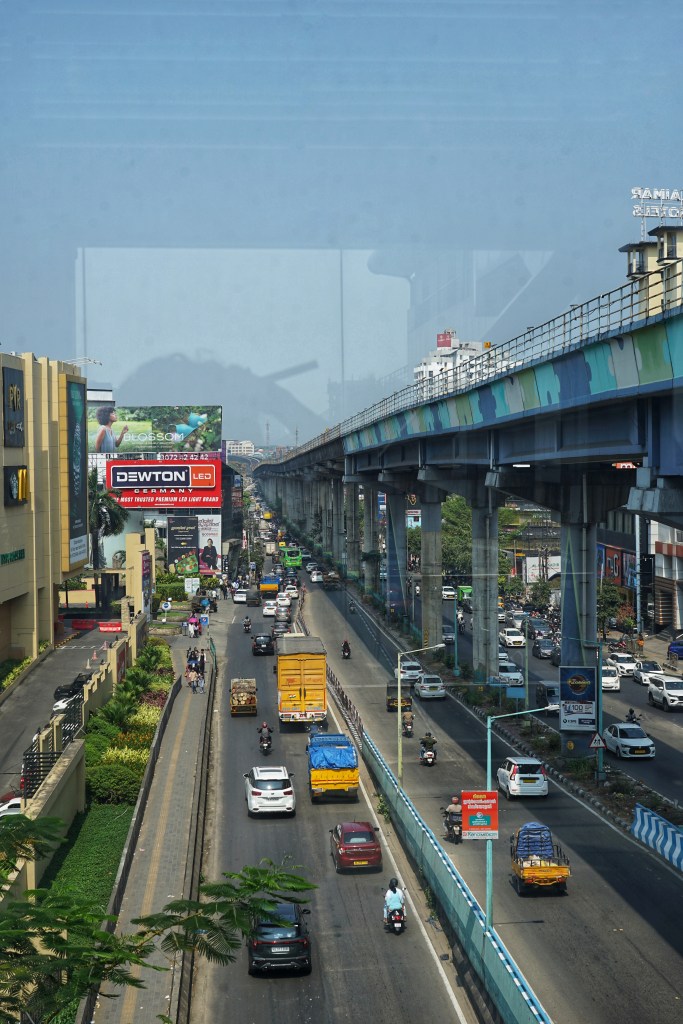

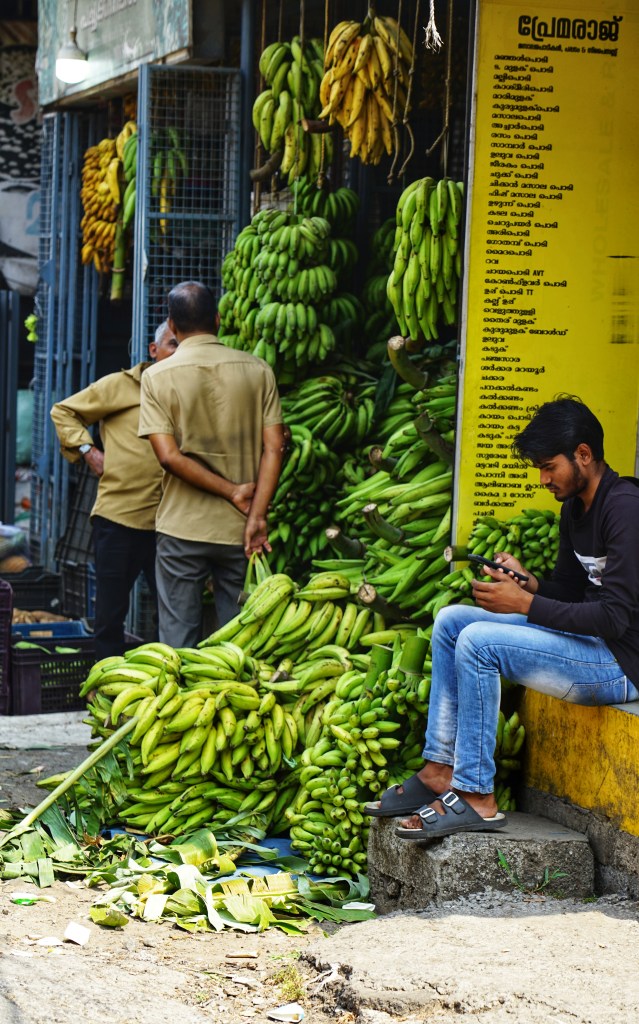
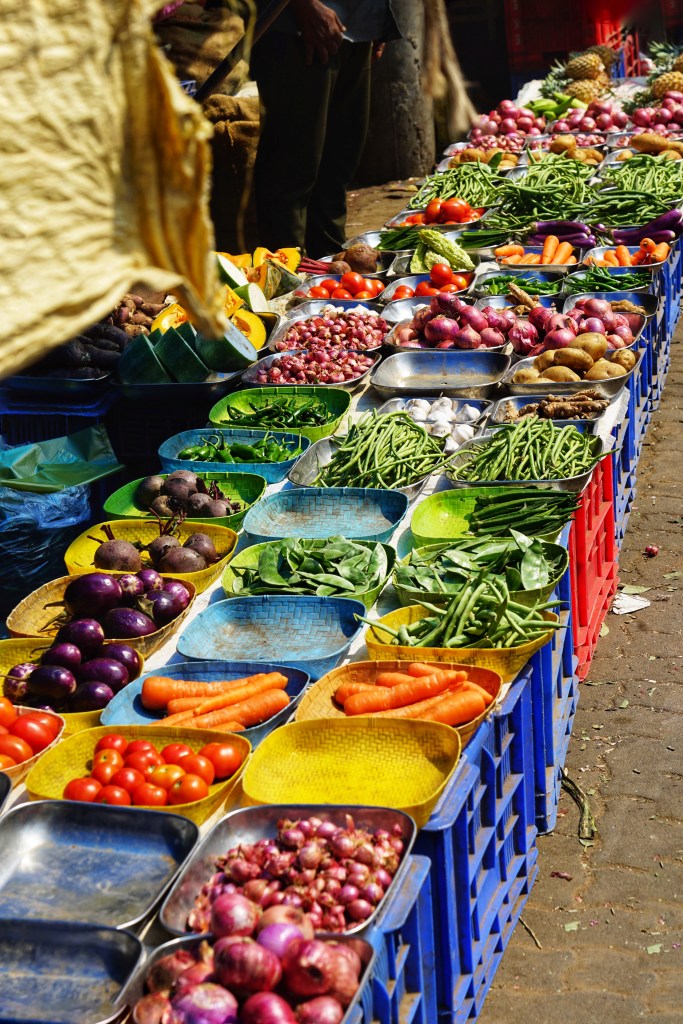
Yet even in this huge city, we find places that feel more rooted — like the local fruit and vegetable markets, where colors and smells ground everything or the tiny roadside tea stalls where fishermen, students and office workers all share a Chai Tea. These are pockets where life feels genuine even amid the city pulse.
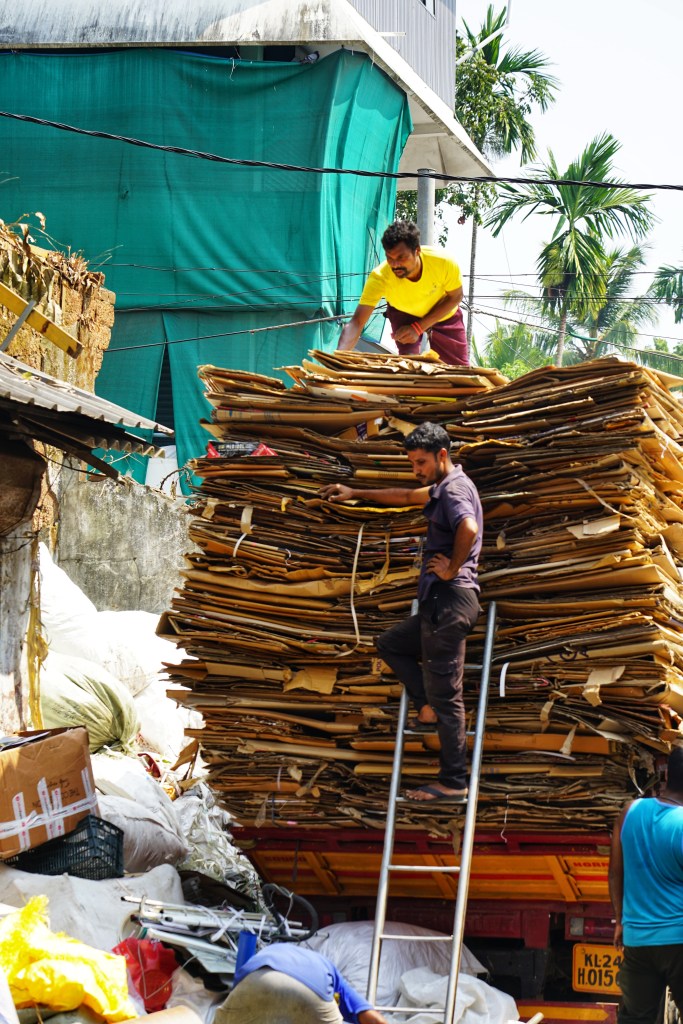
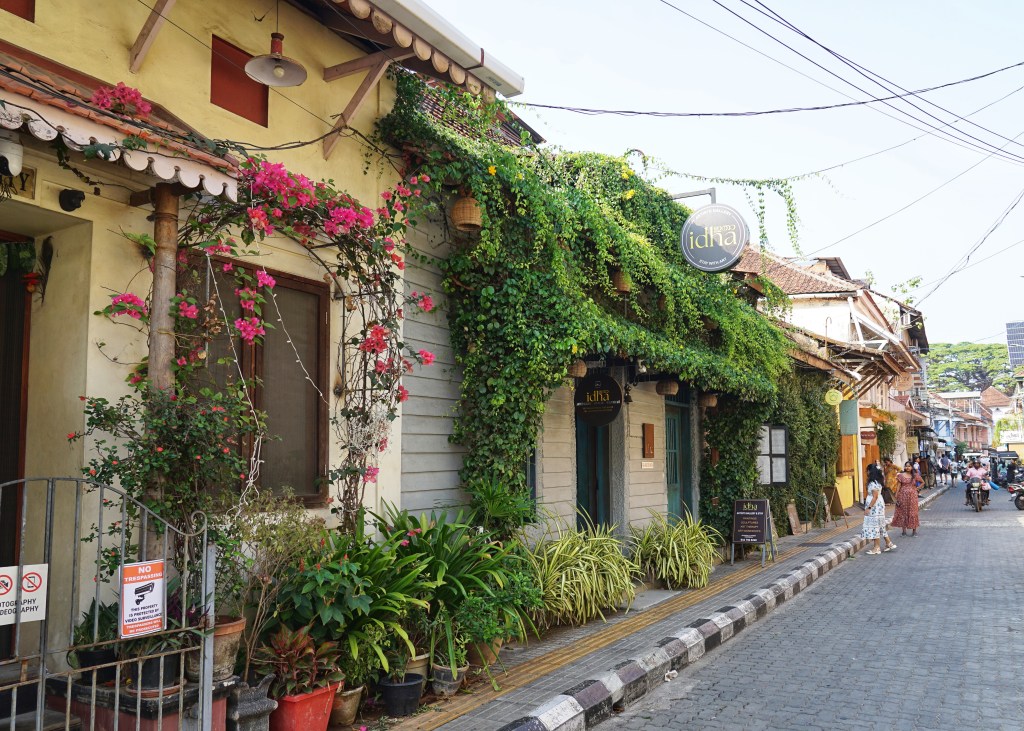
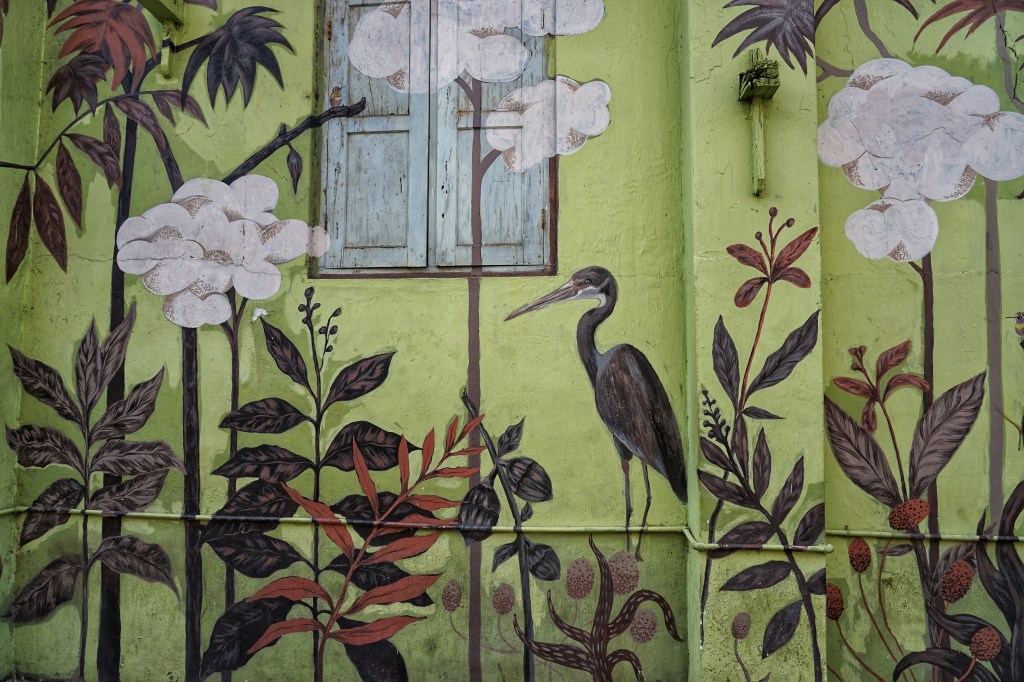
Still, Kochi is not a place I want to stay — its big city buzz is not attractive to me. Instead we head over to Kochi’s little sister: Fort Kochi. Once a separate town of fishermen, it sits on water-bound islands known as Old Kochi. It was the site of the first European fort in India — built by the Portuguese East Indies with settlements beginning in 1500 AD. Dutch and British rule left colonial facades, forts, churches and cemeteries. They are alligned with the tourist corners — artsy cafés, galleries, souvenir stalls. Beyond the fronts, life pulses in alleys where laundry dries next to jasmine strings, and chai vapors rise beside ancient walls.
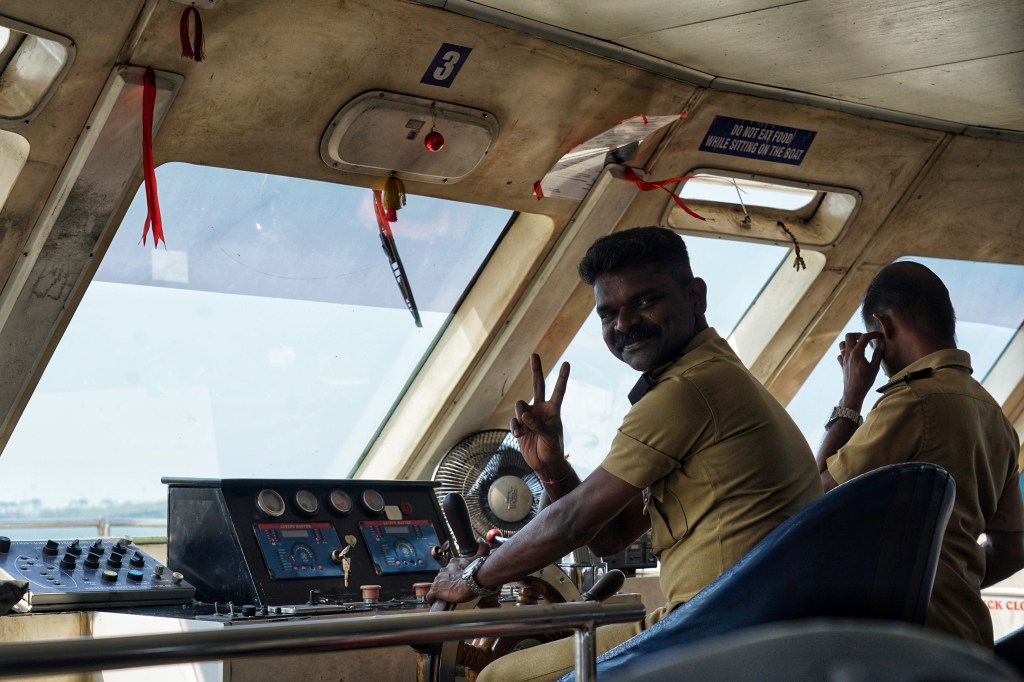
We arrive in Fort Kochi by ferry — and there, in the sparkling river, I finally see dolphins. Living, breathing, playful dolphins. The boatman kindly points them out, and I react like a five-year-old child witnessing magic for the first time.
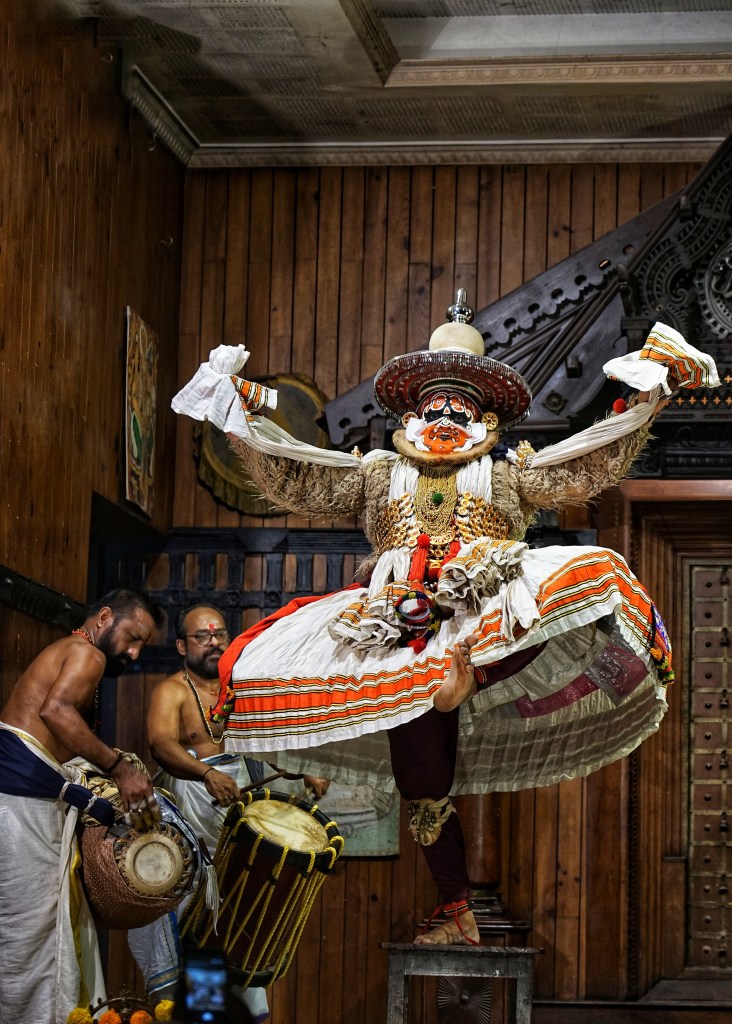
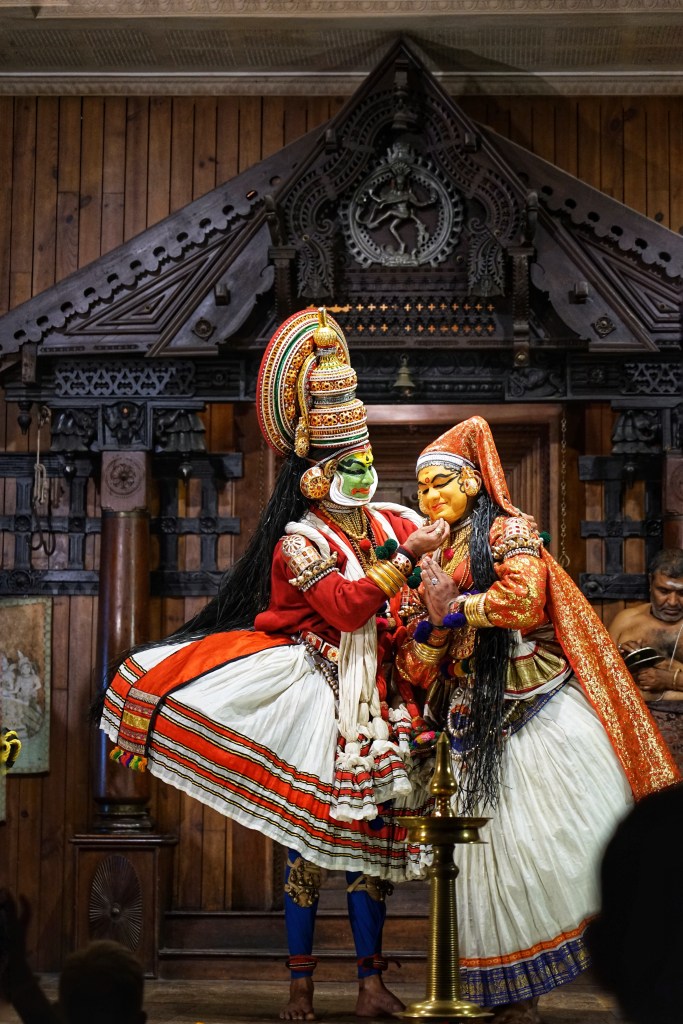
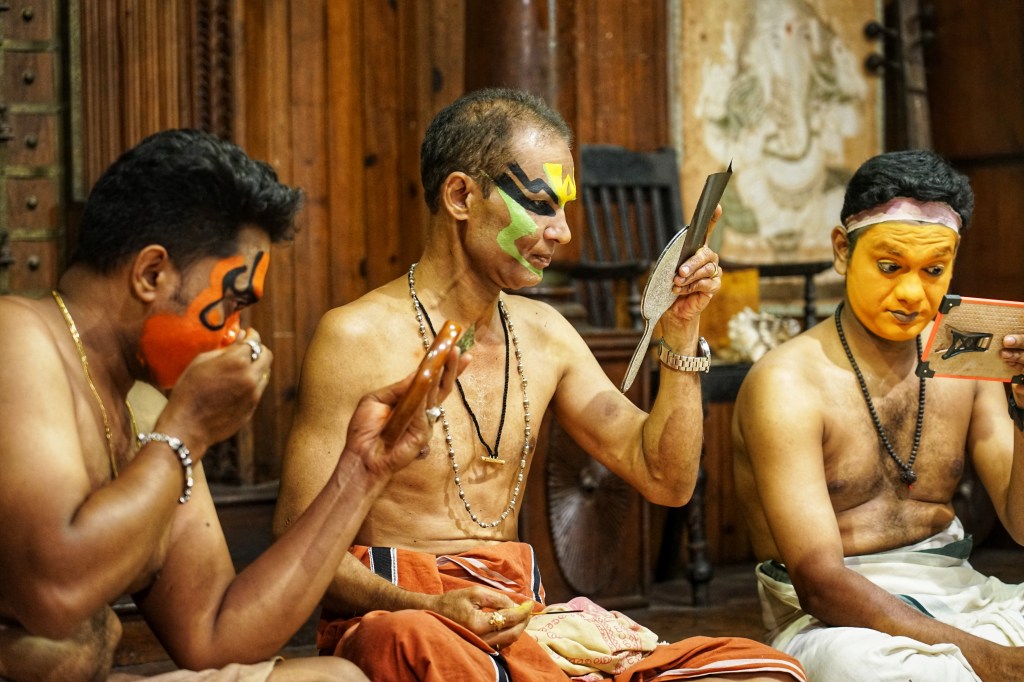
One day we stumble into a Kathakali performance — a centuries-old art form from Kerala that combines story, dance, music and expressive gesture. Performers wear elaborate makeup and heavy costumes, and the rhythm of drums and voices creates a living pulse. Dancers, singers and drummers alike studying for several years before they are allowed to perform on stage.
Visually, it feels like stepping into a moving painting. Faces are not just painted — they are transformed. Layers of green, red, white and black build sharp lines and exaggerated shapes, with white rice-paste frames curving around the jaw like sculpted halos. Eyes are outlined so boldly they seem almost unreal, widened into permanent intensity. Every color carries meaning: green for nobility and heroism, red streaks for fury, black for darkness, yellow for the sacred and the feminine. The costumes are vast, almost architectural. Circular skirts flare out like spinning flowers, embroidered jackets shimmer under stage lights, and chest pieces gleam with beads and mirrors. Heavy headpieces rise high, turning the dancers into towering figures — more myth than human. The movements are precise and charged. Fingers bend backward, eyes dart from side to side, eyebrows ripple, cheeks tremble. A single glance can express pride, jealousy, longing, rage. For someone used to Western theatre, it feels almost overwhelming at first — so stylized, so intense — and then suddenly mesmerizing. You stop looking for realism and begin to feel the emotion underneath the form.
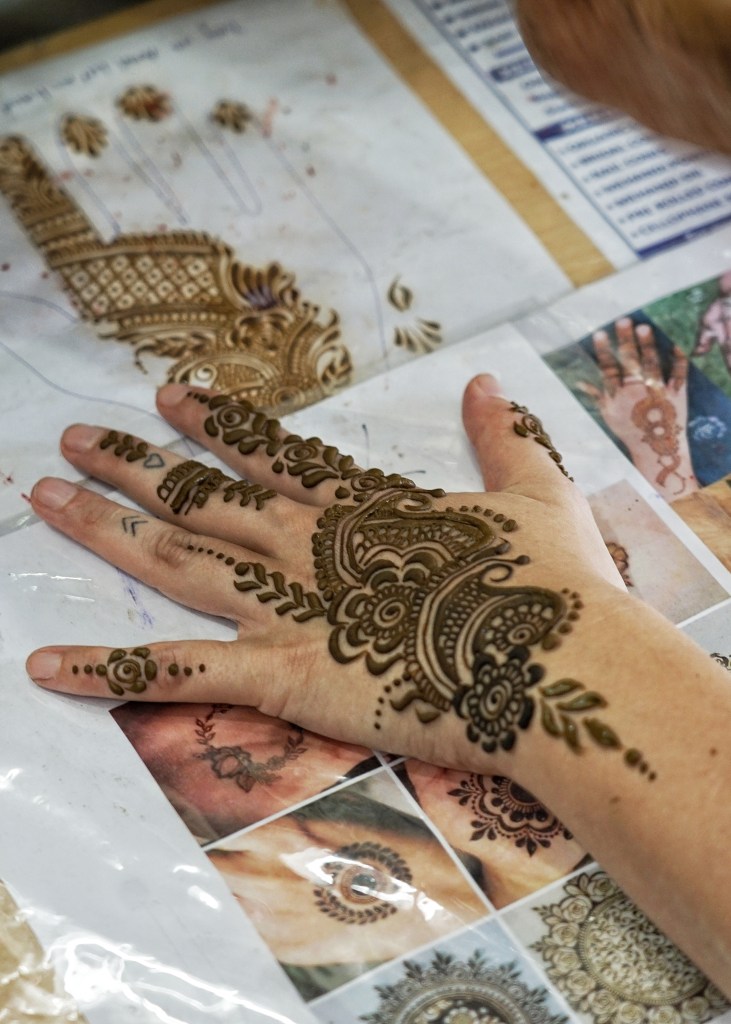
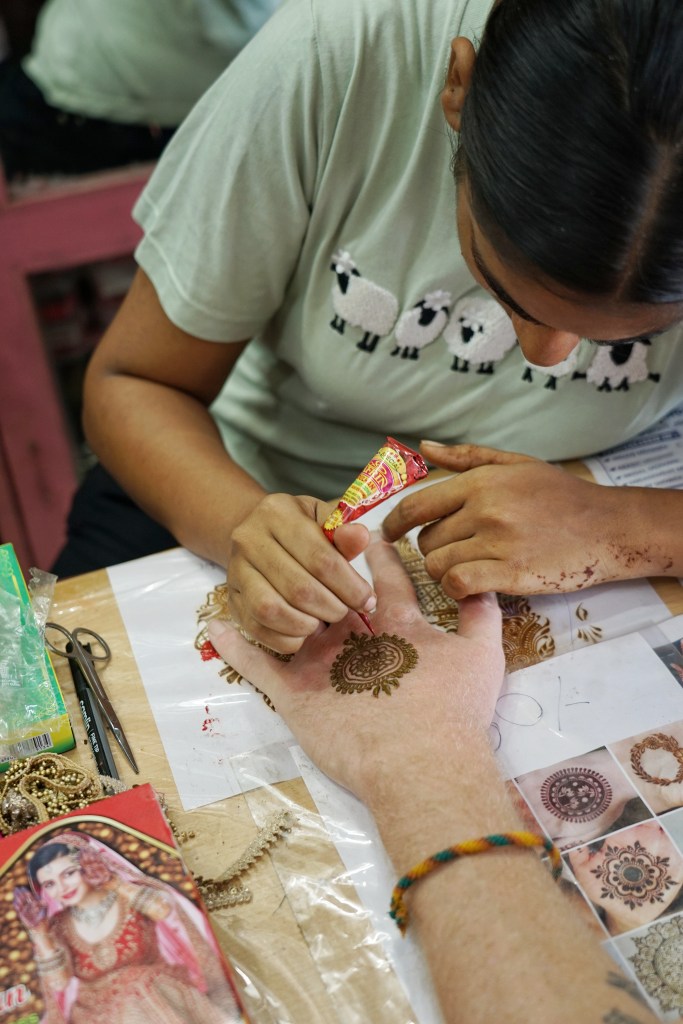
But in the end, what always grounds me most are the small human encounters outside the tourist loop. One day we stop to buy new bindis and meet a girl who has been doing henna for two years. When I ask what draws her to it, her eyes light up: “the love for the craft.” Time seems to stop around her as she draws careful curves on my hand. When she finishes — after an unbelievable fast fifteen minutes — I offer a tip. She doesn’t accept. Instead, she draws a Mehndi on Willem Jan’s hand for free.
Tourism in Kerala feels different from so many other places I know: it is not just about arrivals and attractions, but about breathing space shared between visitor and host. Unlike destinations where tourism can flatten culture or extract value without reciprocity, here it often feels woven into daily life — sometimes gently, sometimes chaotically, but usually with a sense of continuity rather than replacement.
In many countries tourism creates a parallel economy that overshadows local rhythms, pushing residents out or erasing nuance. In Kerala, or at least in these places, tourism and local life move side by side — sometimes merging — without erasing the local heartbeat. It is not perfect; crowds ebb and flow, and commercial hubs like malls are real forces of globalization. But the balance — that rare possibility of coexistence — is striking.
Tourism can be gentle. It can witness without consuming, appreciate without flattening, connect without replacing. If we carry that intention with us, travel does not have to overwhelm. It can listen, learn, and leave space for what already breathes here.
 An unmapped life
If you feel like responding, I’m listening.