As I sit down to write about Udaipur, it feels surprisingly hard to grasp the place. As the “Venice of India,” it is known for its waterways, lakes, and beauty. And yes, Udaipur has all that—as you will see—but every other place we visited in India left a certain mark on my heart, soul, or body. And Udaipur? I wonder. For us, Udaipur did not only attract because of its famous beauty, but also its geography. It was the perfect stop to split the long, long way to Mumbai from Jaisalmer. Maybe that is the reason why I struggle to grasp it. Was it merely practicalities that led us here? That doesn’t feel entirely true either. We could have skipped Udaipur, taken a short flight from Jaisalmer instead of enduring two long night buses. So there was a reason why we came—just not one that is easy to name.
Arriving at our guesthouse, I have to adjust. The room we are given is cute, but very dark, and somehow it just doesn’t feel right. And then something subtle, almost invisible, shifts: instead of resisting the discomfort—or trying to fix it—I let it be. The unease loosens its grip, softens, dissolves into something quieter. A kind of stillness takes its place. As if the situation didn’t need to be changed for me to feel different within it. And yet, shortly after, it does change: the toilet doesn’t work properly, and we are moved to another room where I immediately feel more at ease. It makes me wonder about the quiet intelligence of things. Not in a grand, mystical sense, not as some performative idea of manifestation—but in a smaller, humbler way. As if life sometimes responds best when I stop pushing against it. As if acceptance is not passive, but participatory. Not a giving up, but a softening into what is already unfolding. And occasionally, almost tenderly, things rearrange themselves—not because I forced them to, but because I made space for them to.
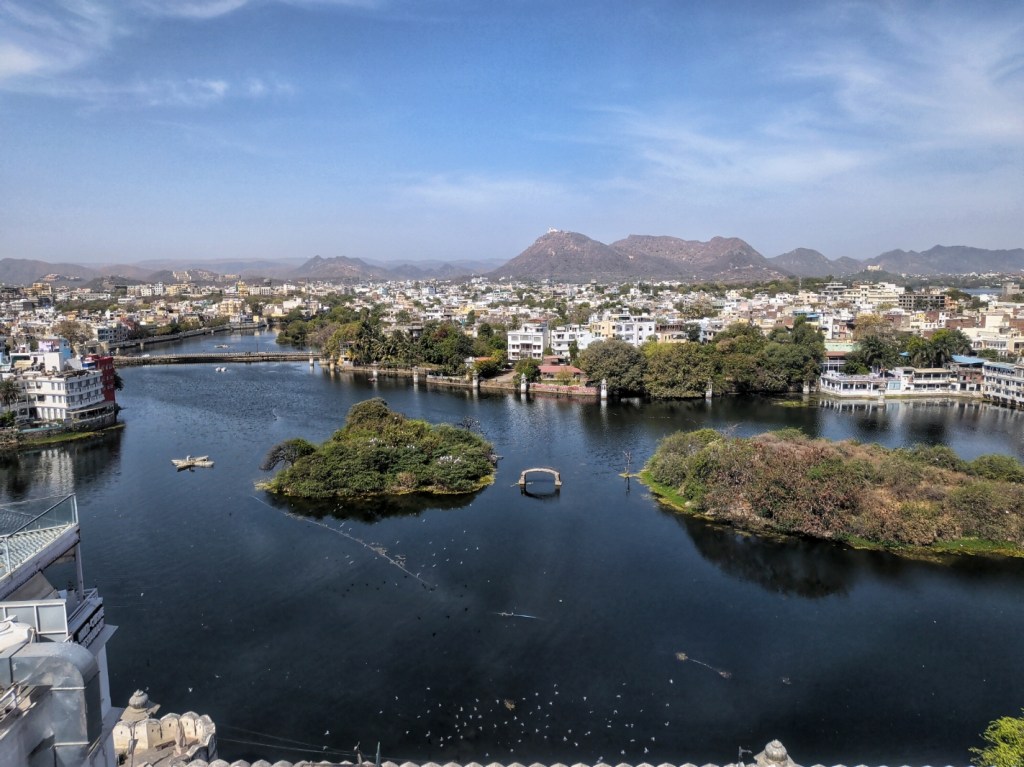
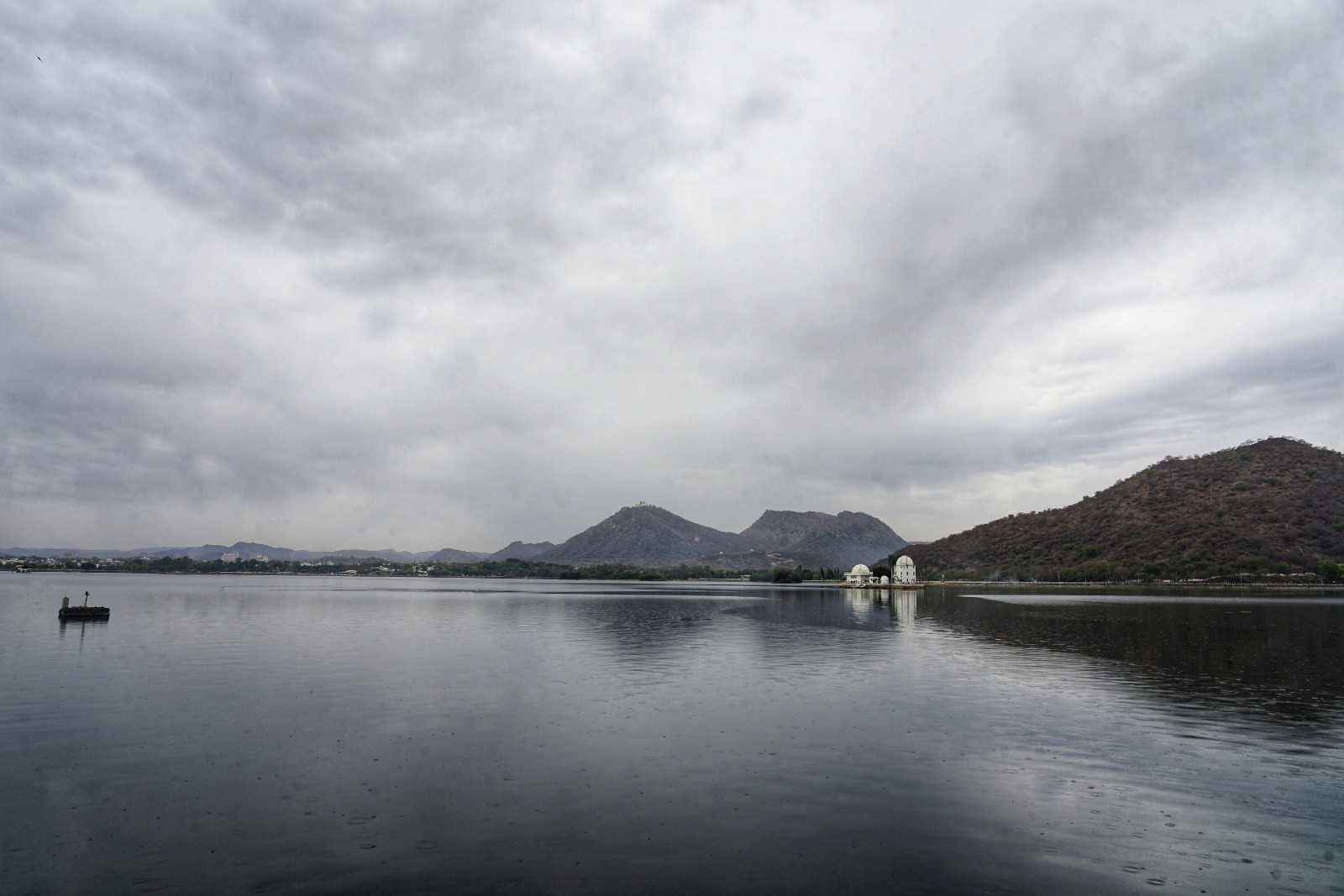
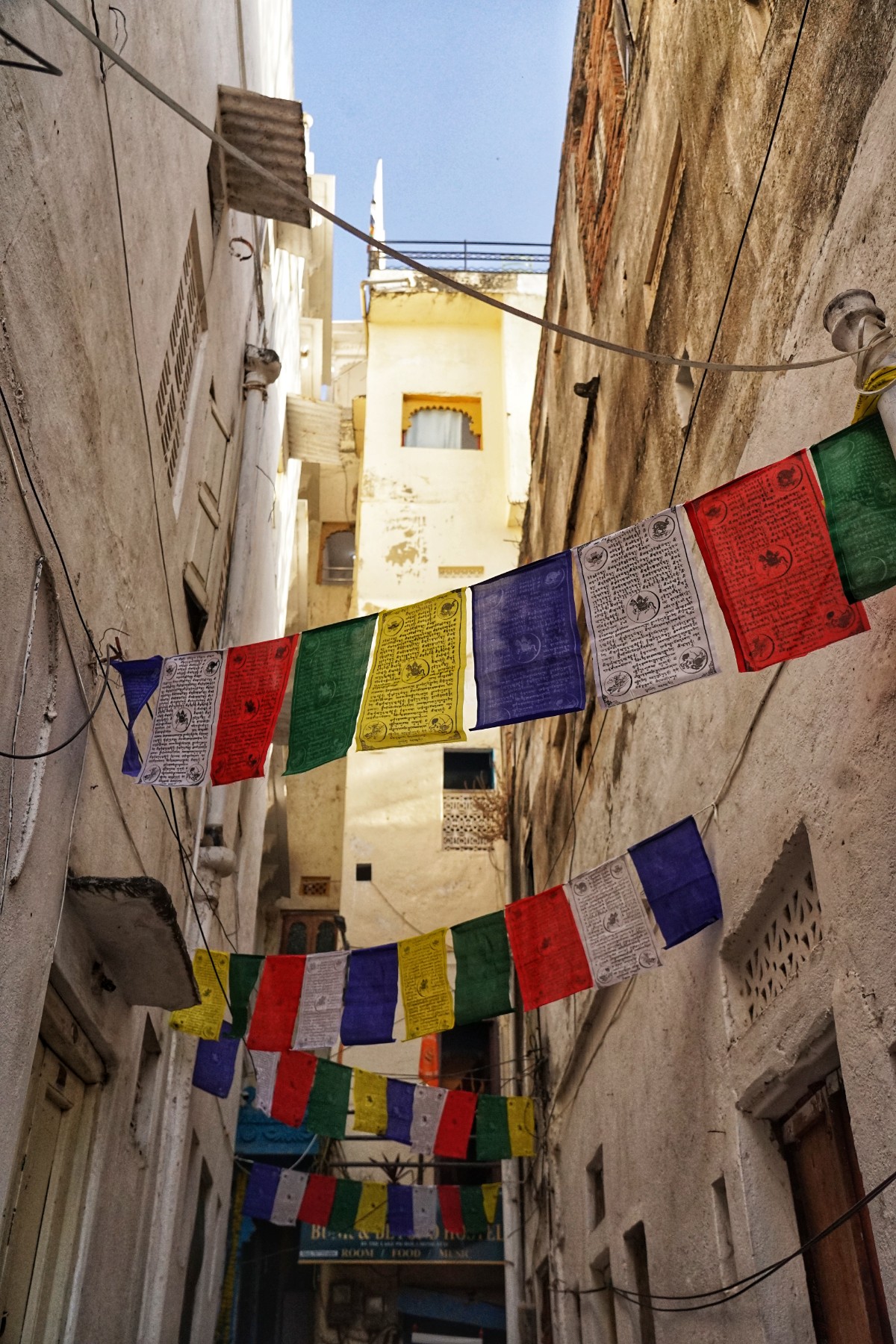
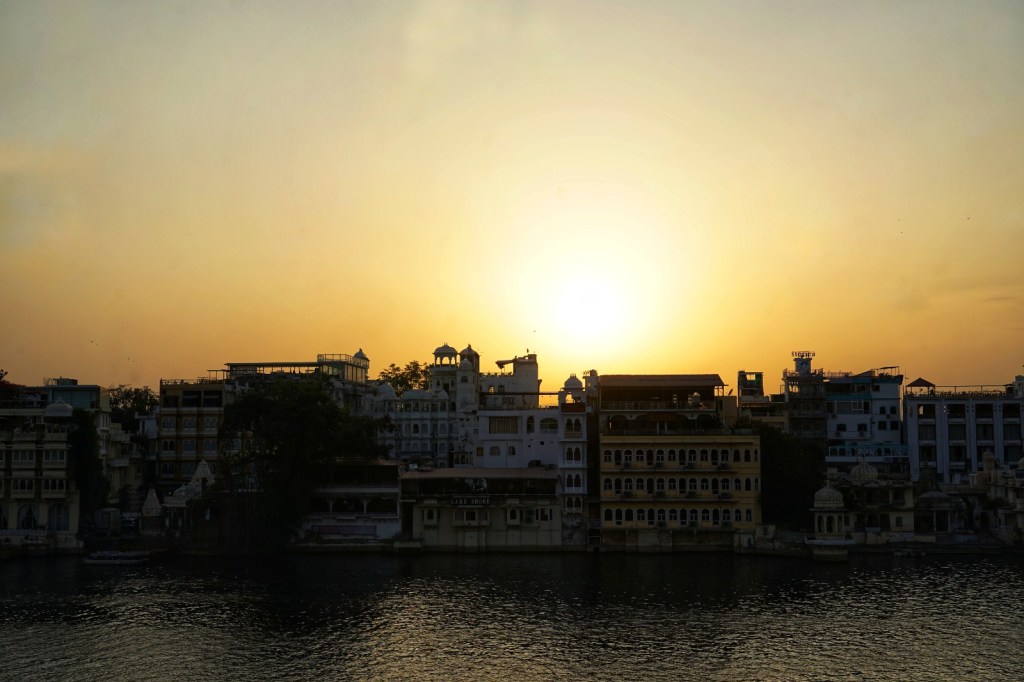
After settling in, we begin our soon-to-be daily strolls through the city. Very quickly, two things stand out: Udaipur feels far more tranquil than expected for a city of its size. We spend time walking along the lakes, watching the light shift across the water. There are boats, but many of them remain tied to the shore, gently rocking without purpose, left there for more than one season untouched. Rooftop terraces stretch above us—beautiful, inviting, and strangely empty. It gives the city a slightly suspended feeling, as if it once moved at a different rhythm and is now slowly finding its way back.
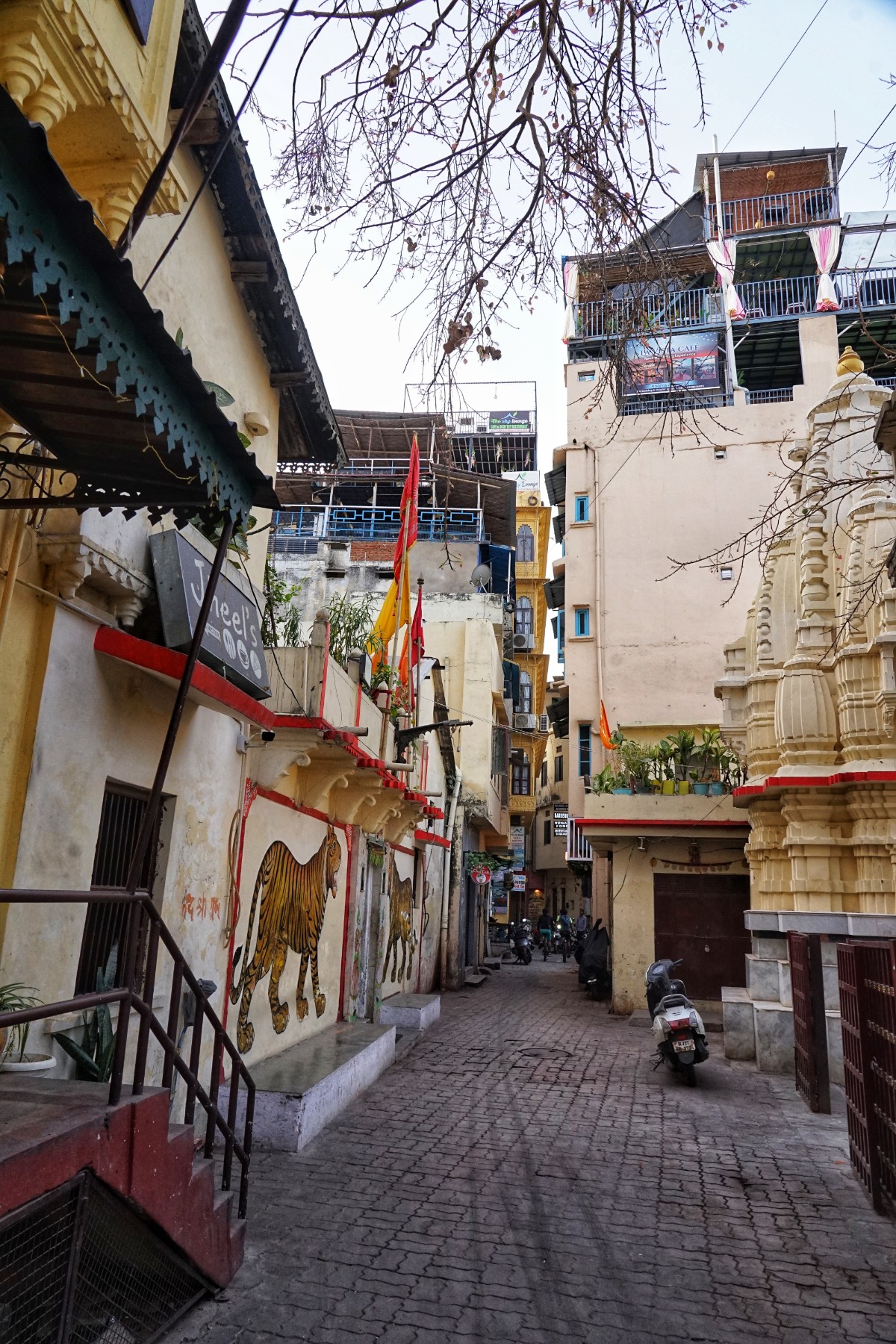
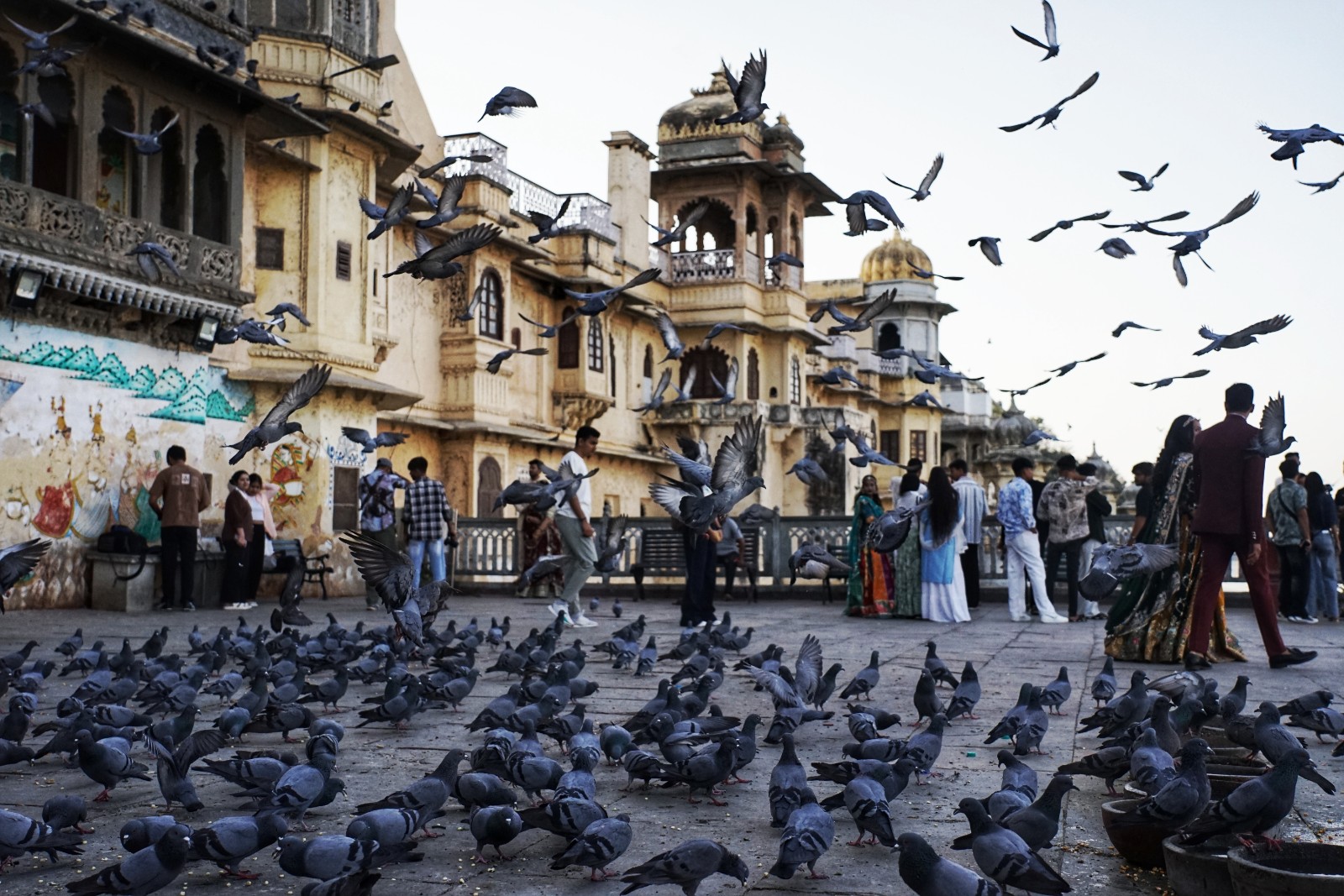
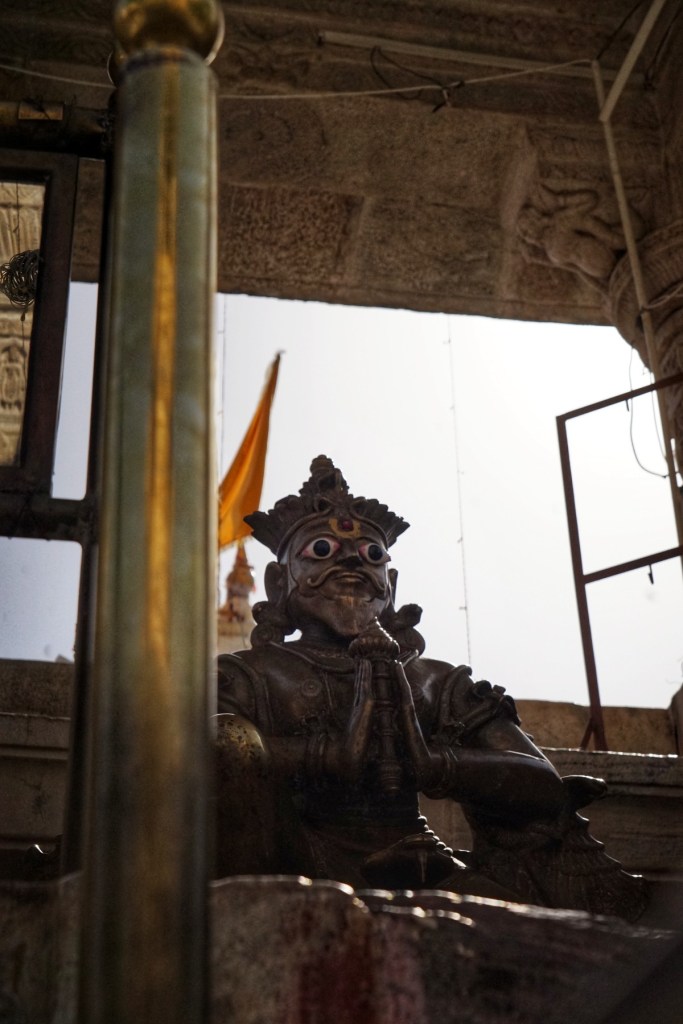
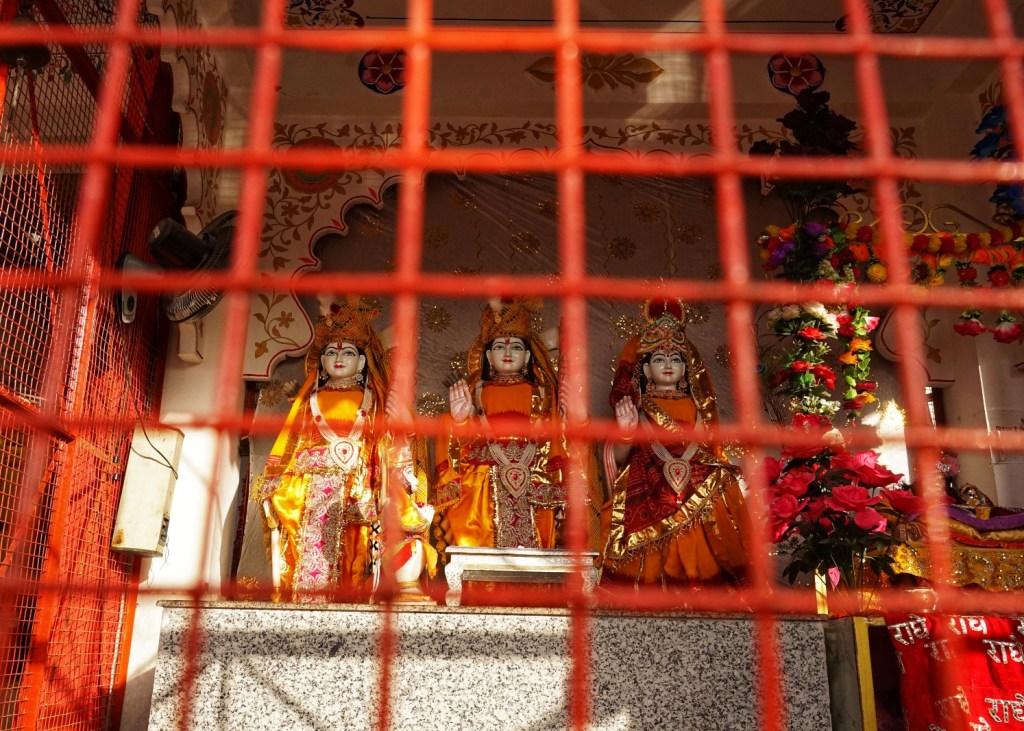
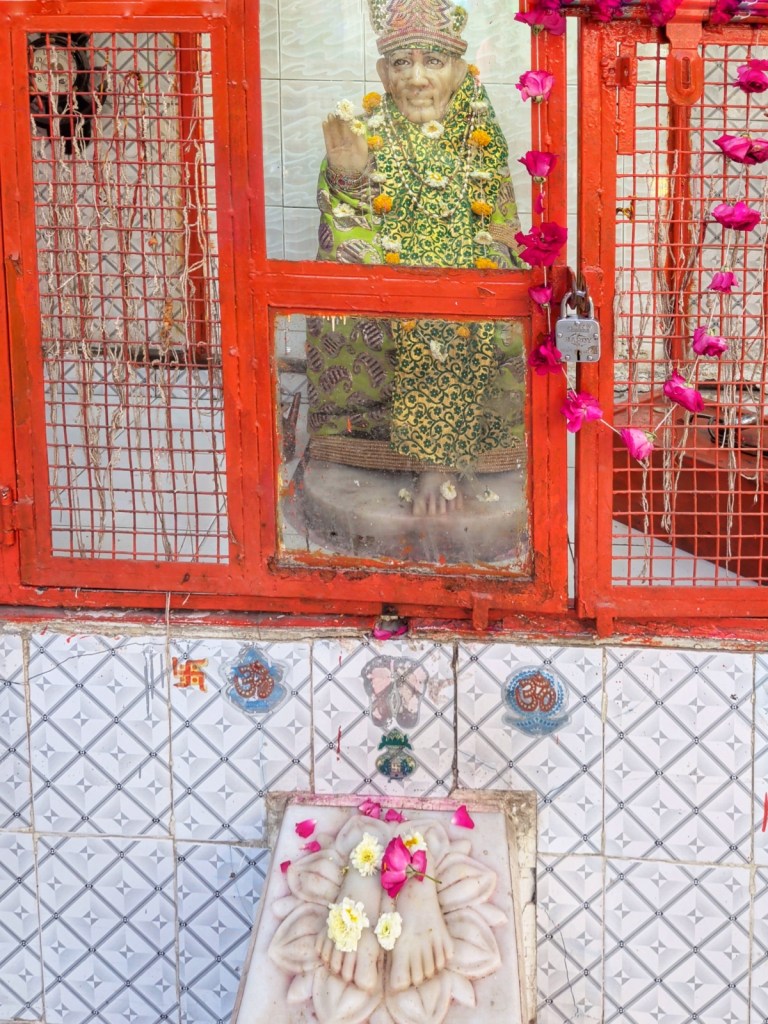
Even in places with a larger crowd, there the quiet is still so loud. When we step into a temple dedicated to Vishnu for example, expecting, perhaps, a shift in energy. Vishnu, the preserver, the one who sustains and maintains balance in the world—worshipped by devotees who come not in urgency, but in continuity. And somehow, that quality seems to echo through the space itself. There are people—small groups of tourists passing through, a few locals standing still a little longer, hands folded, eyes softened—but even here, the atmosphere remains restrained. Nothing feels rushed. No loud rituals, no overwhelming sensory flood. Instead, a quiet steadiness. The kind of devotion that doesn’t need to prove itself. The sounds are there—soft murmurs, the faint ringing of a bell—but they seem to dissolve almost as soon as they arise, as if absorbed by the walls. It is not a place that pulls you in dramatically. Rather, it allows you to arrive, briefly, and exist within it—before gently releasing you again.
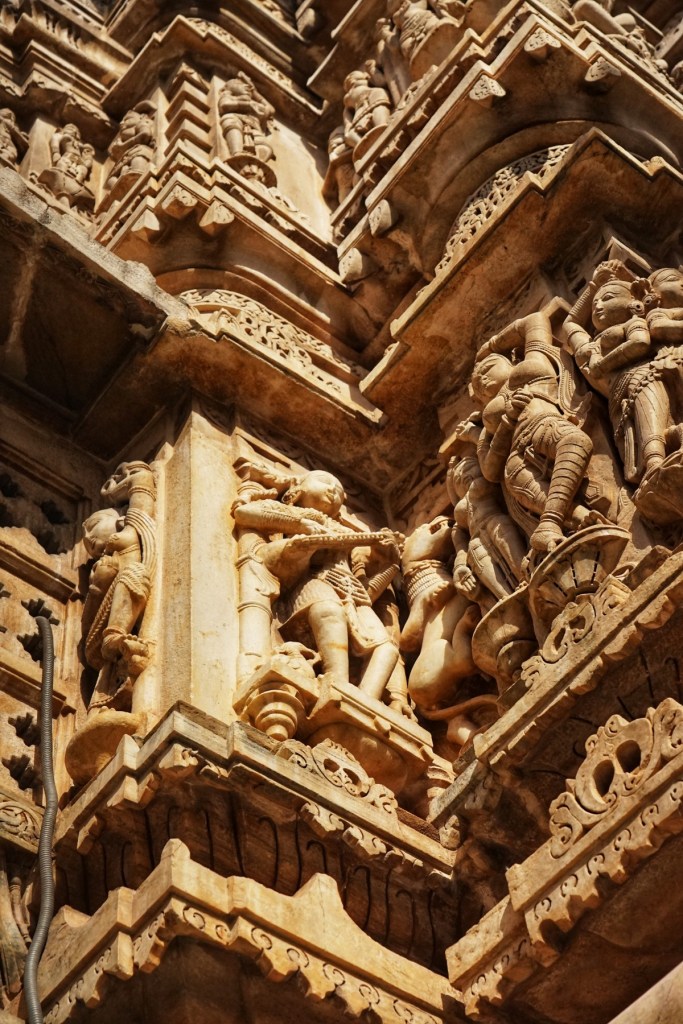
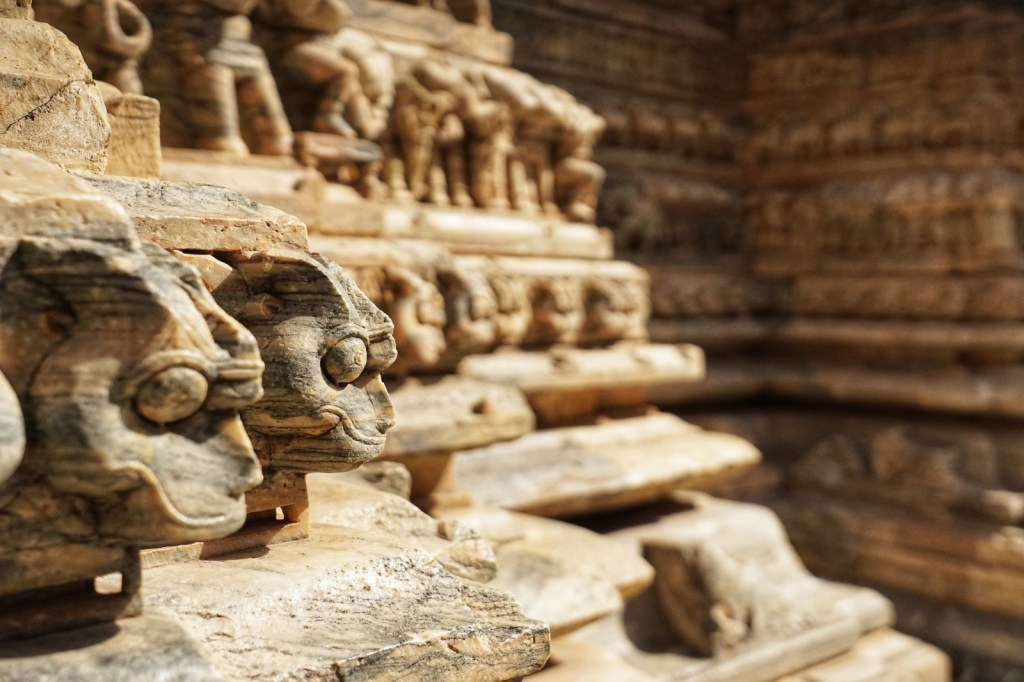
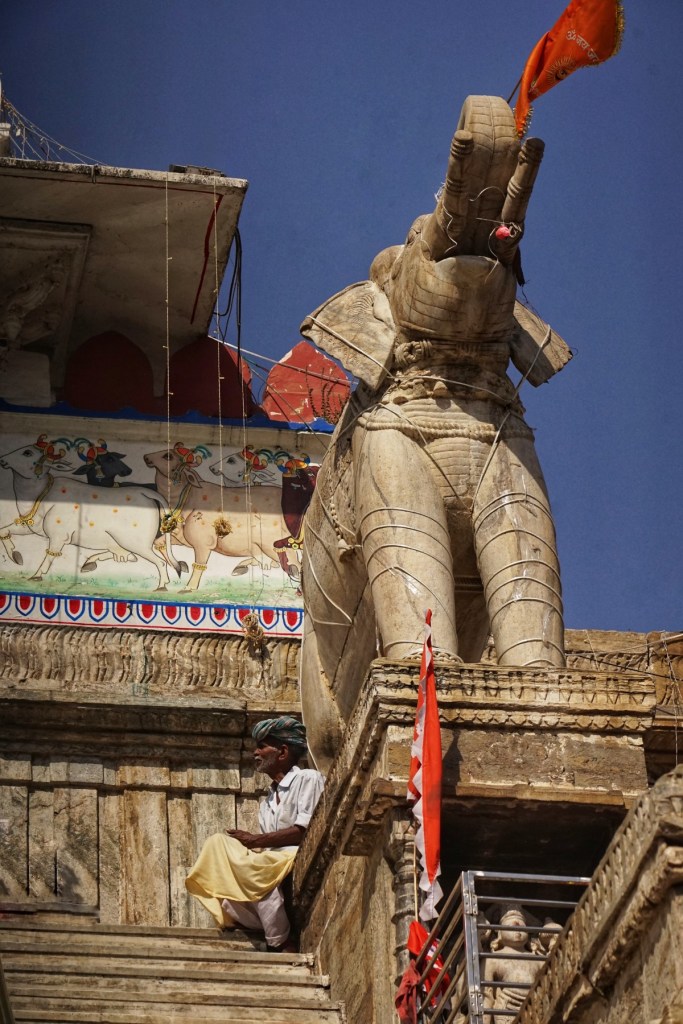
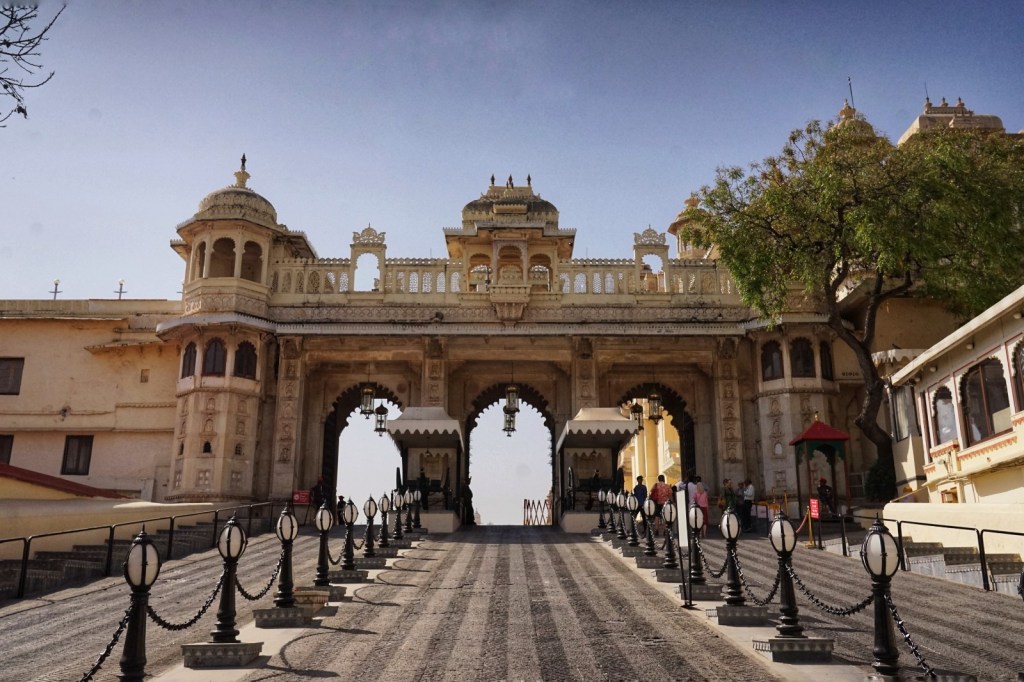
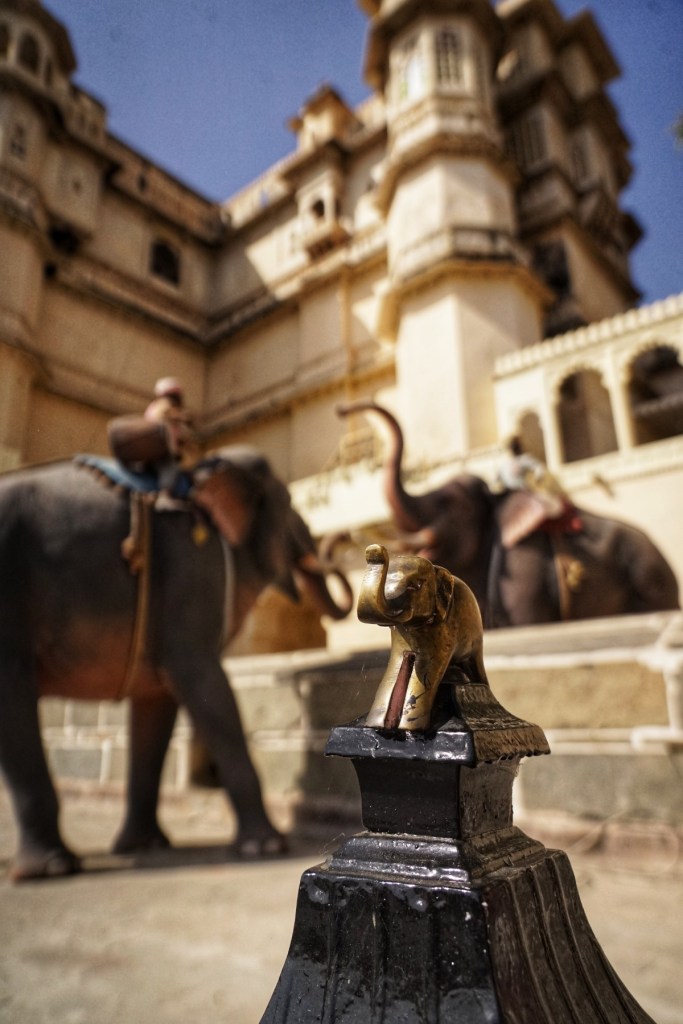
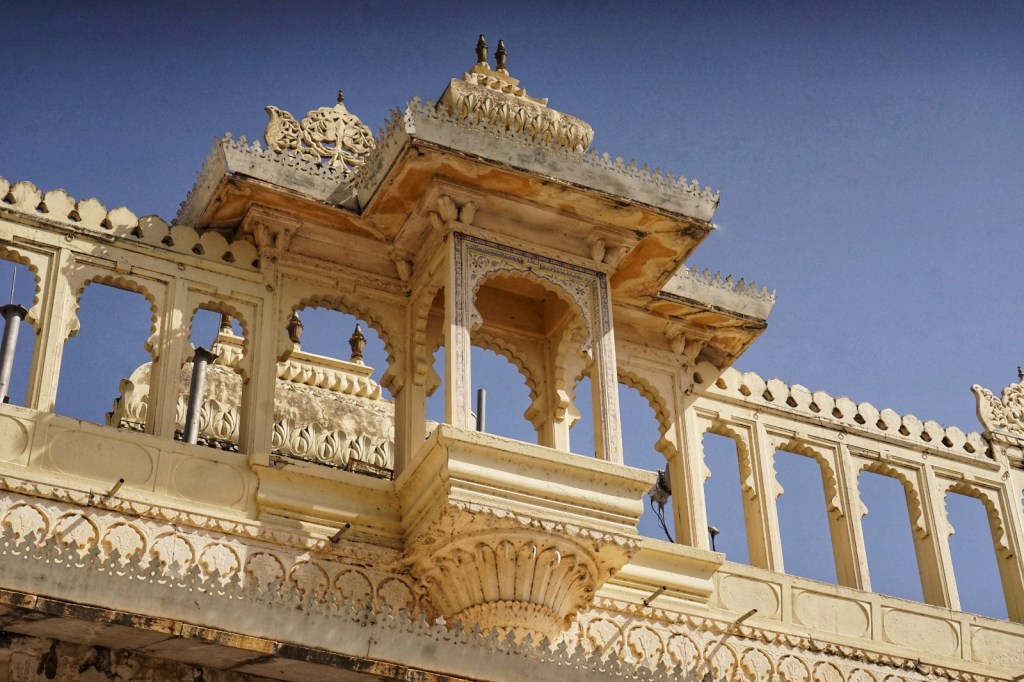
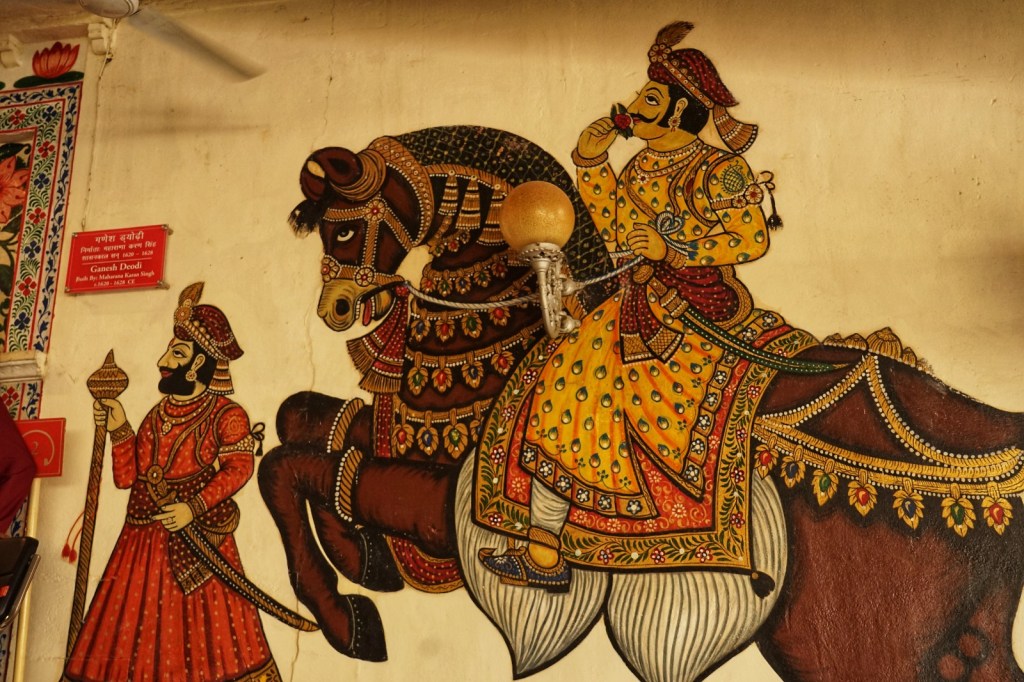
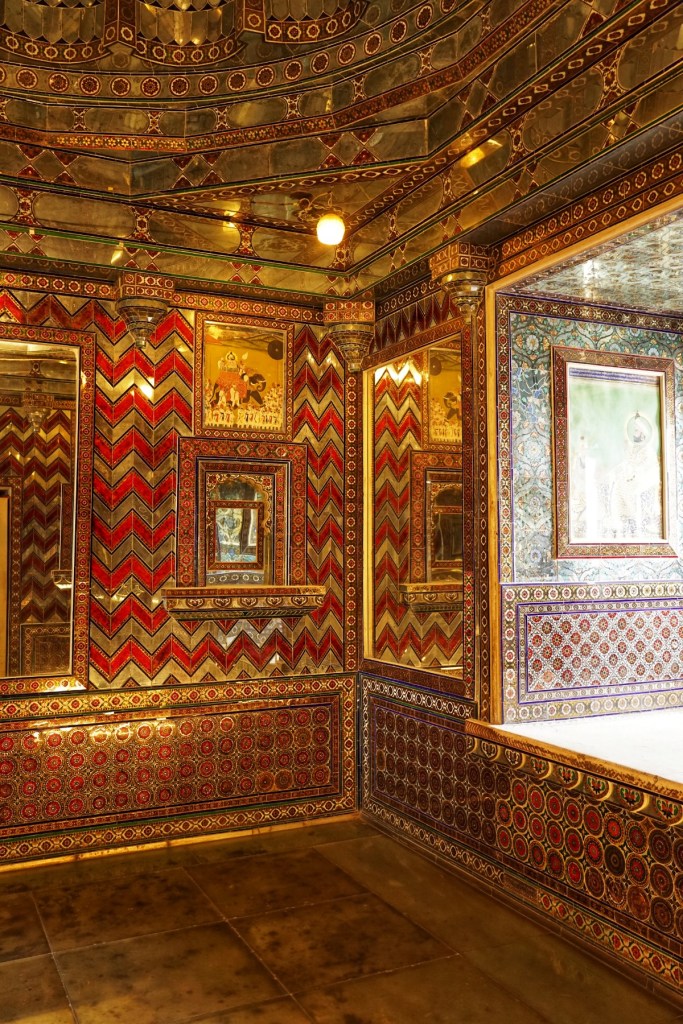
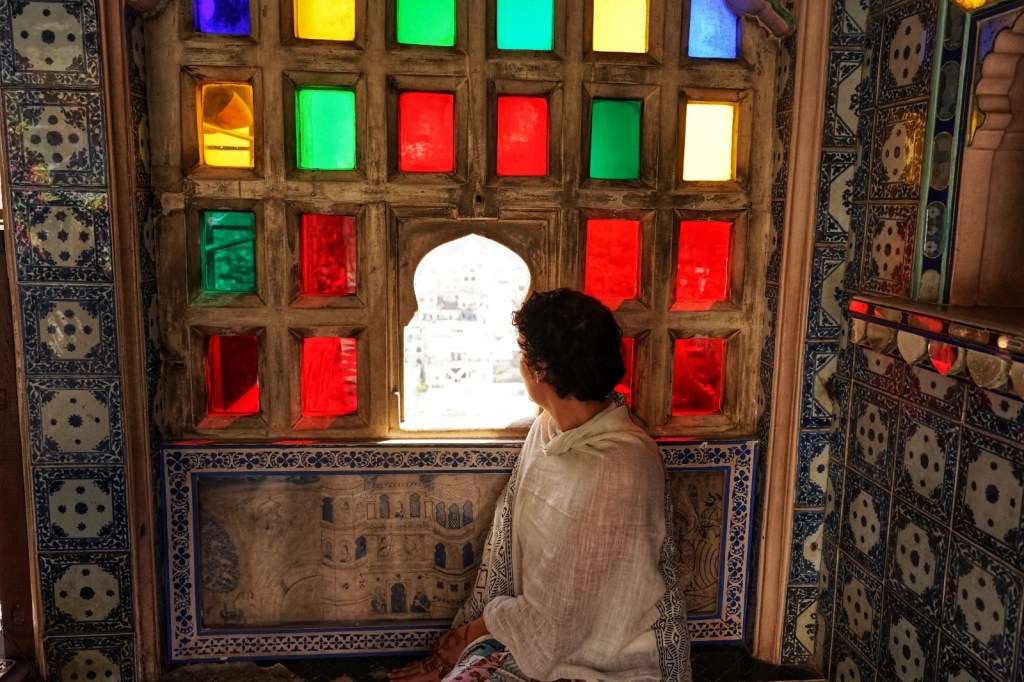
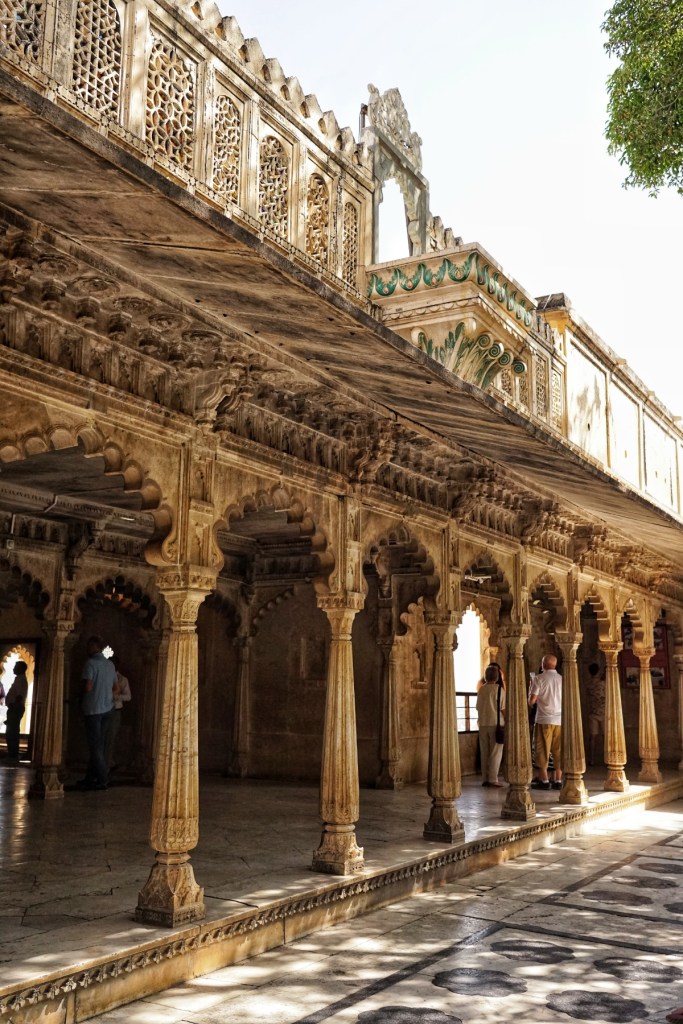
Or when we enter the old palace—City Palace Udaipur—its grandeur is undeniable, layered over centuries by the rulers of Mewar, each adding balconies, courtyards, fragments of their time. And yet, despite its scale and history, it doesn’t feel overwhelming. The rooms, with their intricate tiles and faded colors, carry a quiet dignity rather than opulence. Light falls softly through carved windows, dust dancing in slow motion. There are other visitors, of course, but even here, movement feels hushed, almost respectful. It is less a monument to power than a place that has settled into itself—its past still present, but no longer trying to impress.

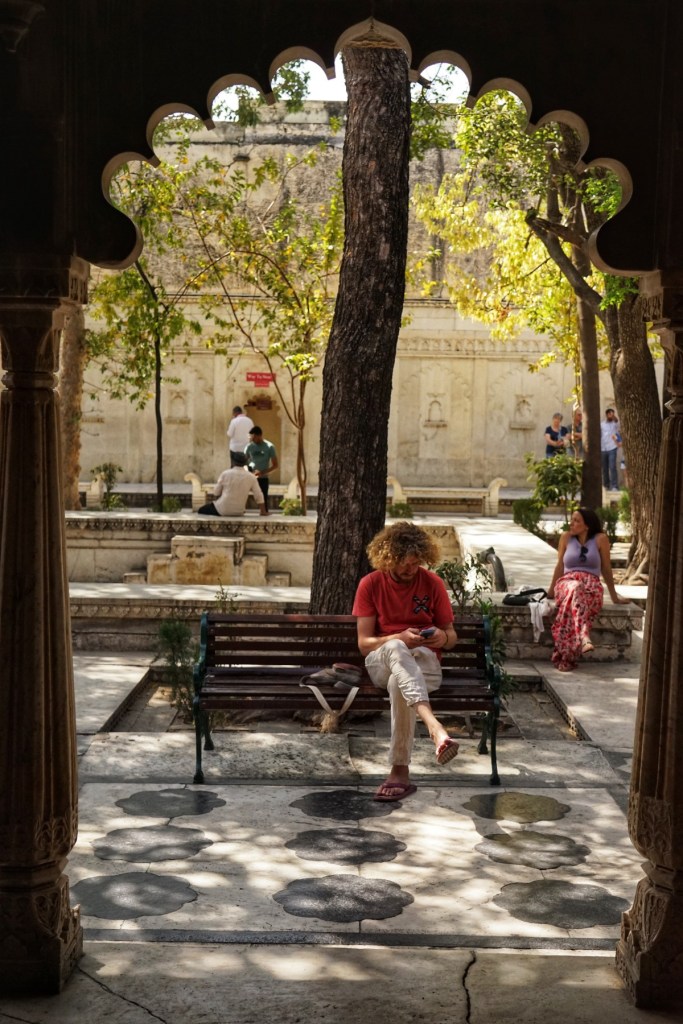



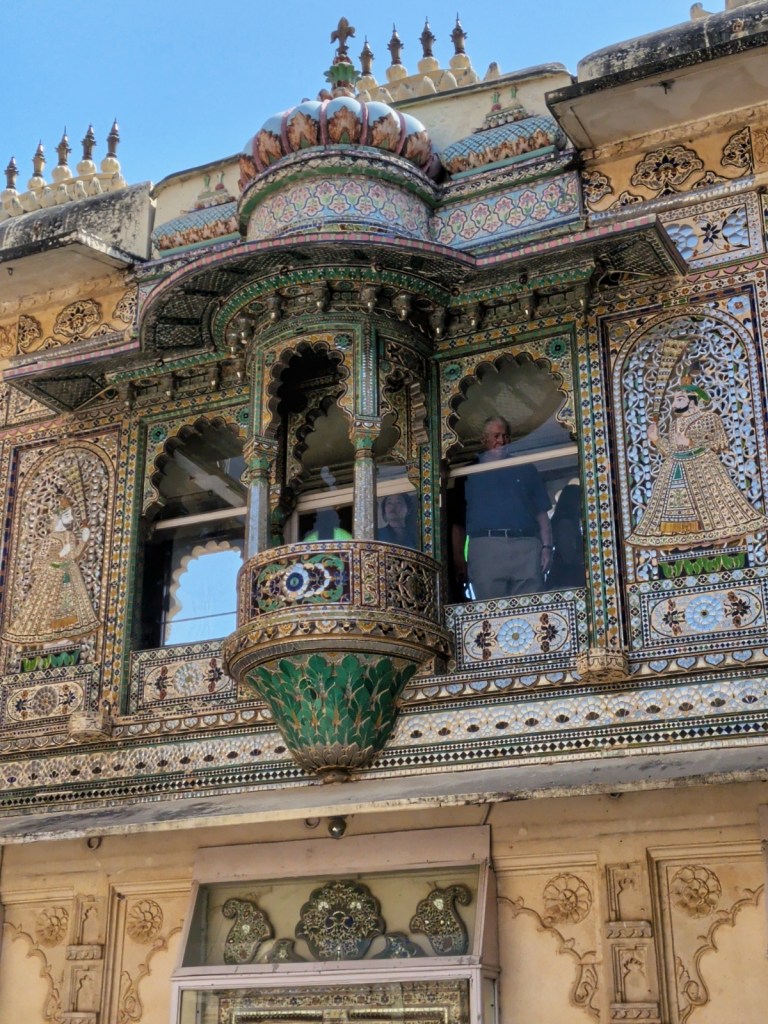
Maybe we arrived at the tail end of the season. Or maybe Udaipur, like so many places shaped by tourism, carries the imprint of a time that hasn’t fully returned. There is something almost melancholic about it—not in a heavy way, but like an echo. A reminder that places, too, go through phases of fullness and emptiness.
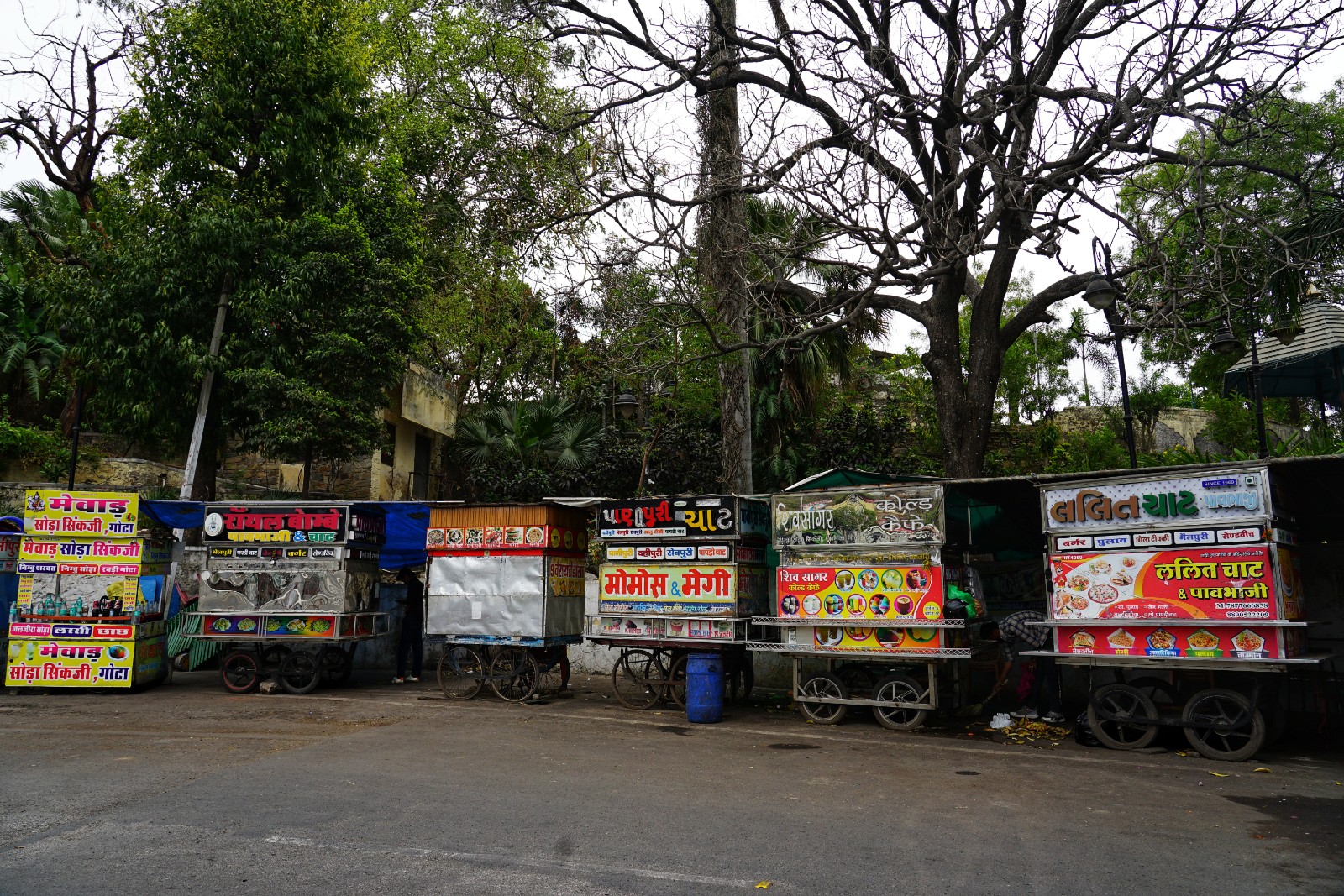
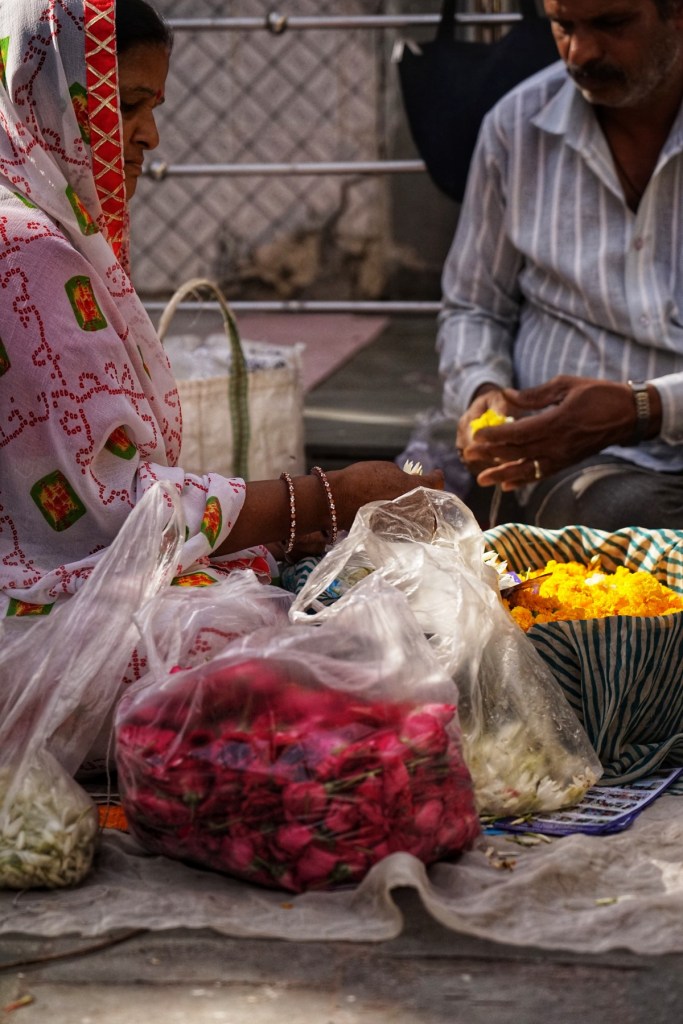
The other thing we notice very fast is how remarkably warm people are here. Of course, we have felt welcomed almost everywhere in India—but here it lingers differently. Softer, maybe. Less insistent, more spacious. Even weeks later, this feeling remains clear in my memory, like a delicious aftertaste. It is experienced in every greetings at the streets and small encounters, almost easy to overlook, and yet they hold the place together for me. A husband and wife with a tiny restaurant and a kitchen behind a simple counter, making fresh paratha. From the first morning on, they welcome us with such warmth that we return every day, almost without question. Then there is the tailor, who takes my worn-out jumpsuit—already threatening to fall apart—and, within just two days, creates three new ones out of light cotton. No fuss, no overpromising. Just skill, precision, and a kind of calm confidence that feels deeply reassuring. And a mehndi artist, surrounded by her family, who all seem to support her work in small, steady ways. In the evenings, we often end up at the same chai place. Willem-Jan drinks a cup, sometimes two. We don’t talk much there. There is no need to. It is simply… pleasant. The kind of place where nothing in particular happens, and yet you find yourself returning.
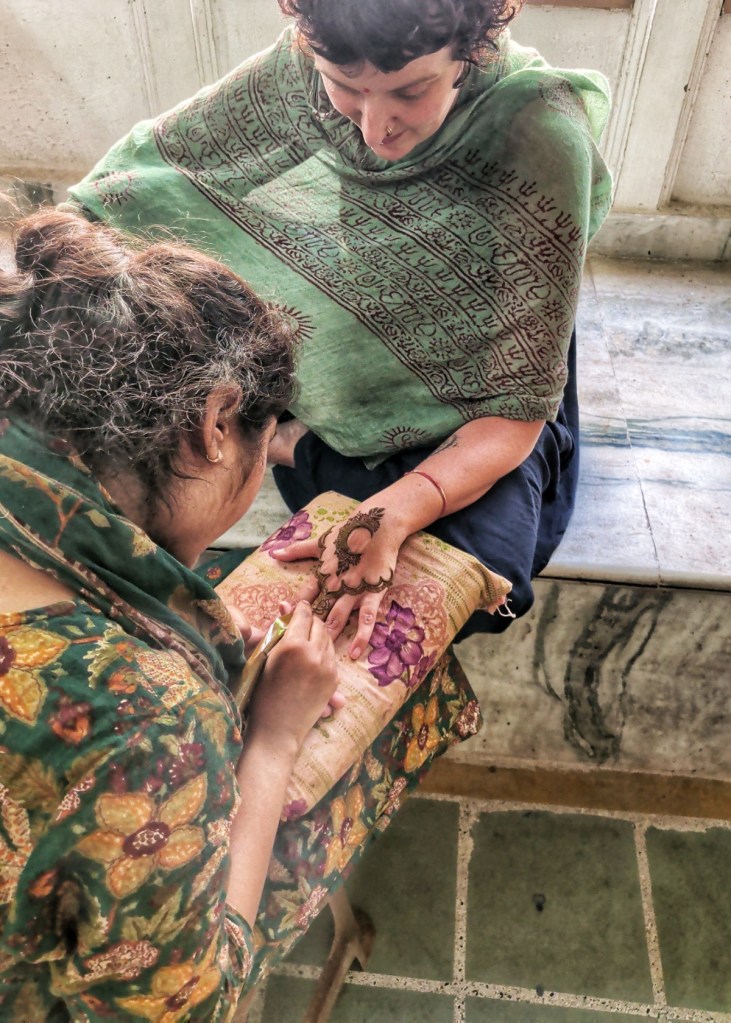
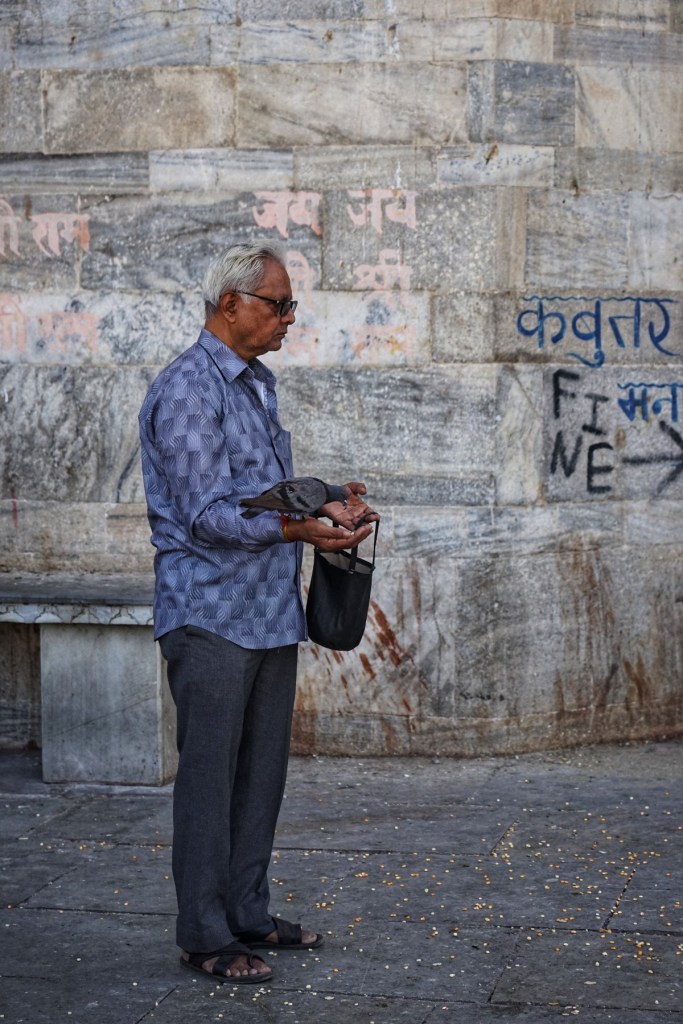
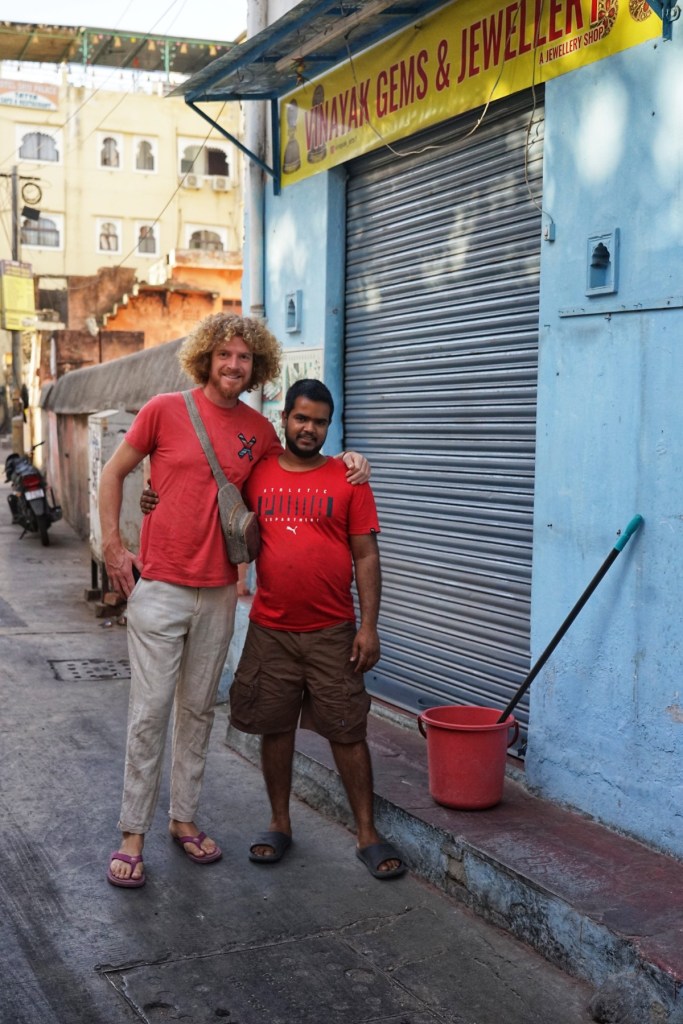
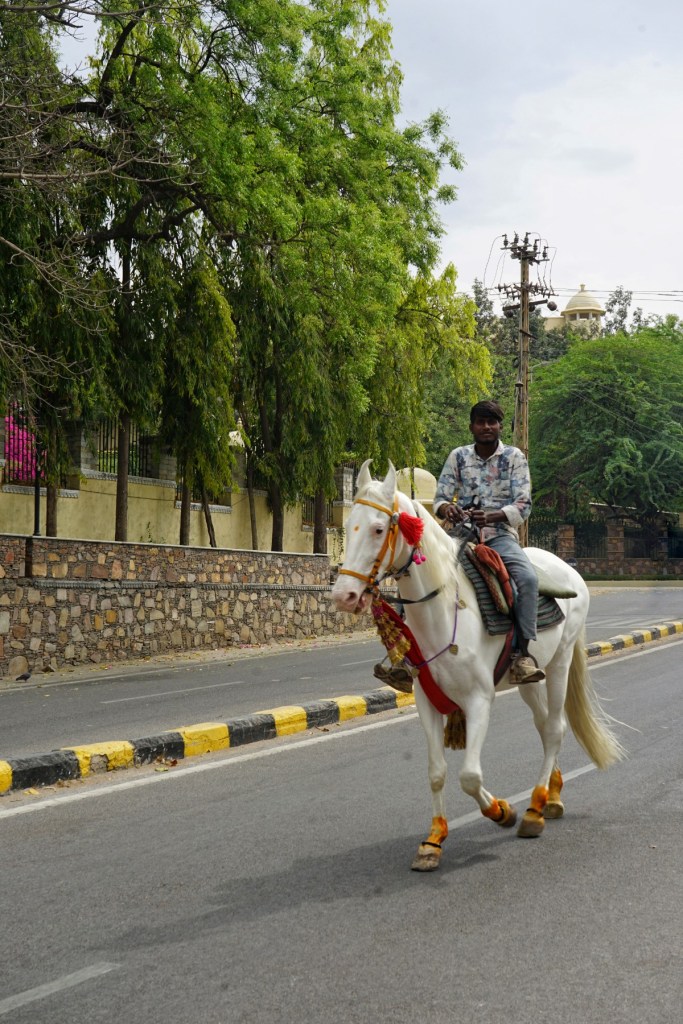
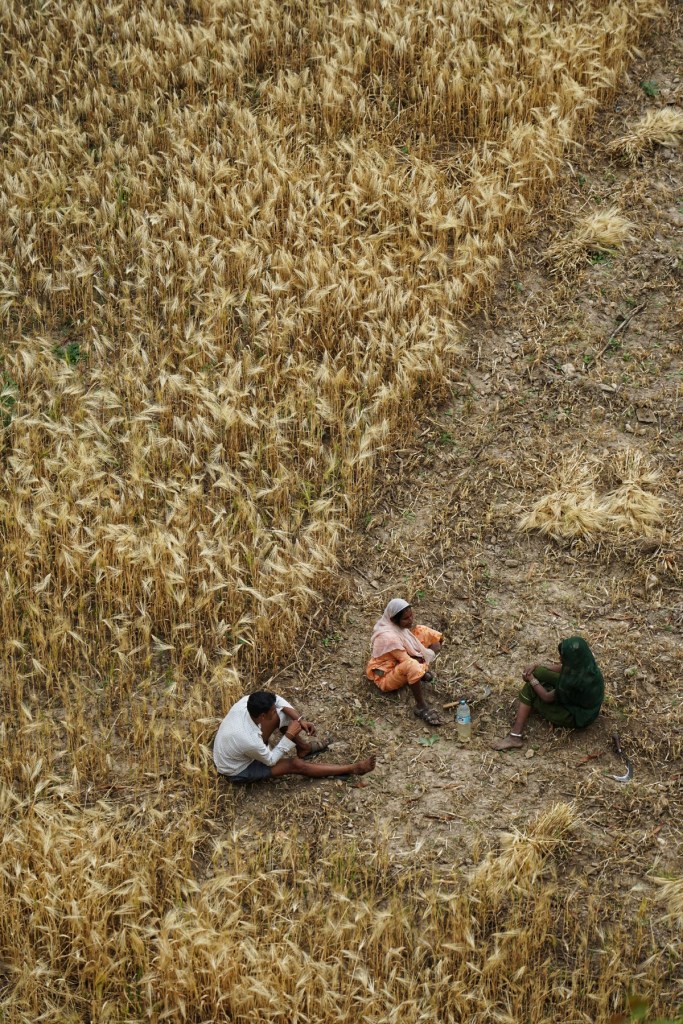
Maybe this is what stays with me after all. Not the lakes, not the rooftops, not even the question of what Udaipur is or isn’t. But these small, almost weightless moments of connection. The kind that don’t insist on being remembered, but linger anyway.
Not every place needs to leave a dramatic mark I understand now. Some places are simply there to accompany you for a while. Quietly, gently—without asking to be understood.
 An unmapped life
If you feel like responding, I’m listening.